







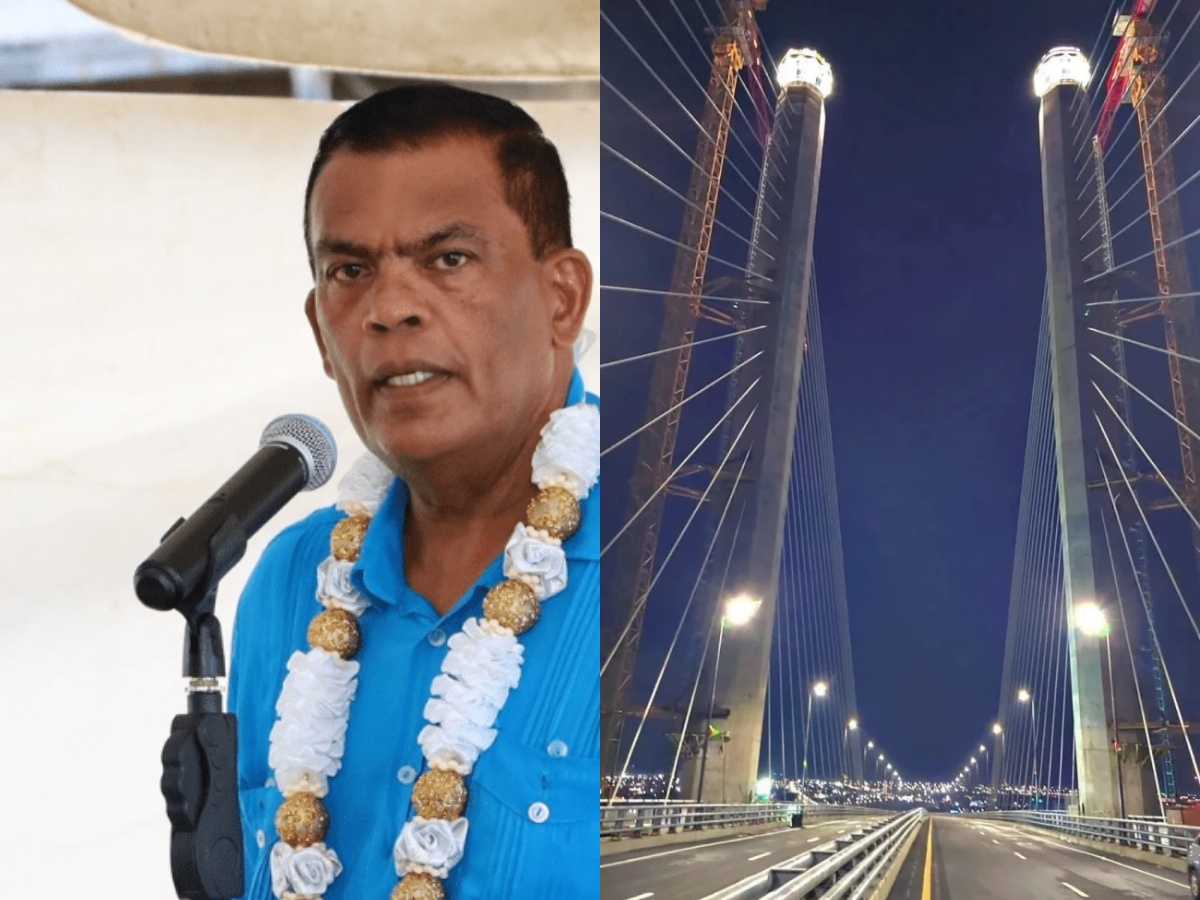
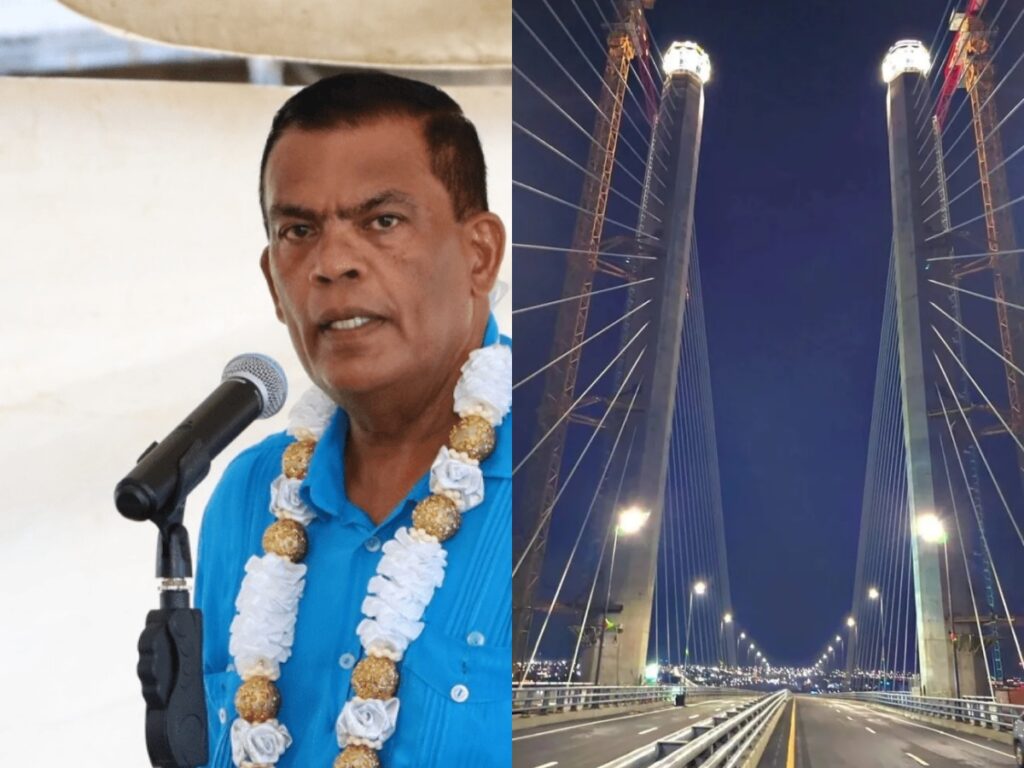
The newly inaugurated Bharrat Jagdeo Demerara River Bridge is significantly reshaping transportation, commerce, and daily life in Guyana, averaging over 50,000 vehicles per day since its commissioning in October. This figure reflects both pent-up demand and the transformative impact of modern infrastructure on national connectivity, according to Minister within the Ministry of Public Works, Madanlall Ramraj.
Minister Ramraj emphasized that the government’s broader infrastructure agenda extends beyond mere construction, describing it as a people-centered vision aimed at inclusive national development. “This agenda is not simply about roads, bridges, ports, or airstrips; it’s about connecting communities to markets, families to opportunities, and young people to a future filled with possibility,” he stated.
He clarified that infrastructure improvements are designed to deliver tangible benefits to everyday life, making progress visible and accessible. “Infrastructure is not abstract. It’s something you can see, touch, drive on, and rely on every single day,” Ramraj insisted.
Highlighting the bridge’s national impact, he explained that each infrastructure project serves to strengthen social and economic ties across the country. “Every kilometer of road shortens travel time. Every bridge improves safety. Every port and airstrip expands access to healthcare, education, and economic opportunity,” he noted.
As Minister within the Ministry of Public Works, Ramraj underscored his responsibility not only for overseeing construction but also for ensuring that projects translate into real benefits for citizens. “Our success is measured not just in completed projects but in better lives, stronger communities, and a more connected Guyana,” he emphasized.
The completion of the US$262 million high-span cable-stayed bridge has replaced the aging Demerara Harbour Bridge and fundamentally improved movement between Regions Three and Four. “Congestion has eased, safety has improved, and commerce flows without interruption,” Ramraj remarked, noting the rising average daily traffic volumes as evidence of improved network efficiency.
The bridge’s impact includes reduced travel times, smoother logistics, and greater resilience for national and regional commerce. The removal of tolls has also provided significant financial relief for commuters.
During a recent visit to Region Three, one resident shared with Ramraj that since the bridge became toll-free, he has saved over $84,000 in transportation costs within just three months. “That money is now going back into his household—toward groceries, school expenses, and daily living. That is what infrastructure does when it is people-centered,” Ramraj concluded.