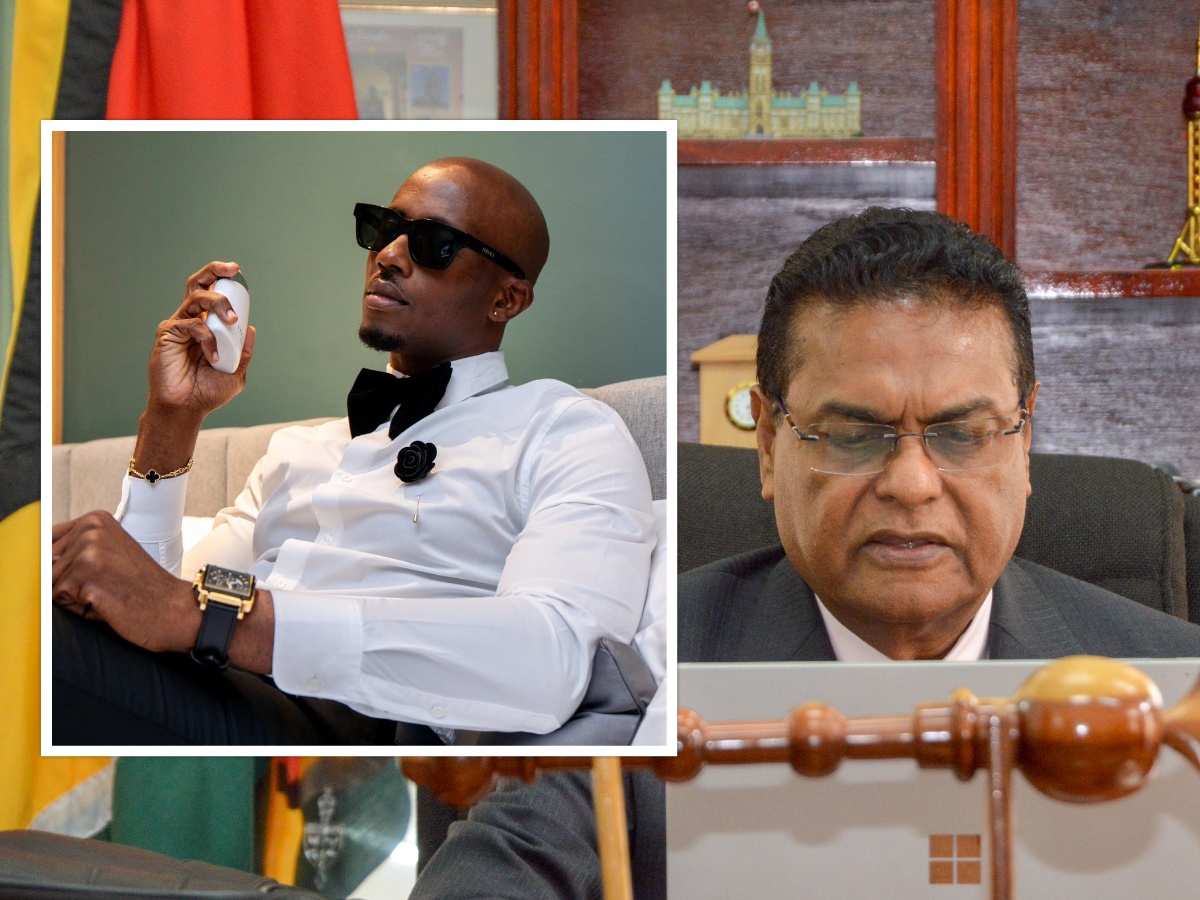
In a strong rebuke of the recent decisions made by Speaker Manzoor Nadir, journalist Kurt Campbell has publicly condemned the systematic restrictions on media access within the National Assembly. His remarks, made in a recent commentary, highlight what he describes as a “profoundly regressive and democratically corrosive” shift in parliamentary accessibility.
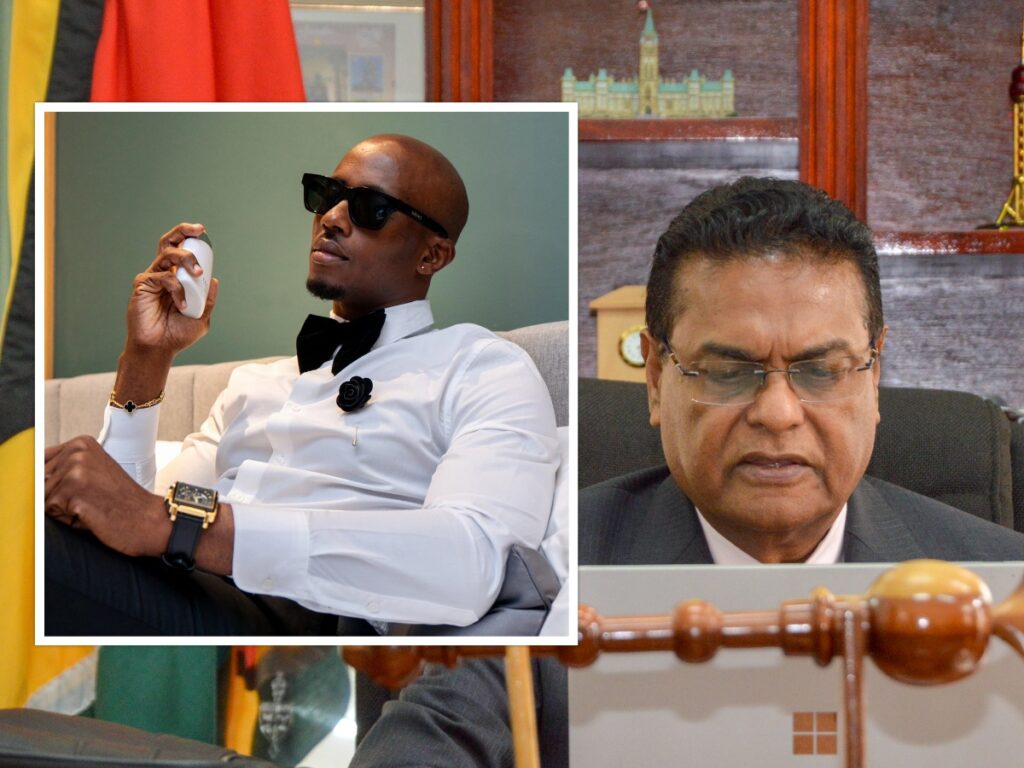
Campbell noted that the speaker’s decision to limit media coverage—transitioning from occasional restrictions to a permanent arrangement—was not just ill-advised but also a serious threat to press freedom. “When you concede an inch, power will inevitably seize a yard,” he emphasized, underscoring the dangers of allowing such constraints to persist.
Under the new rules, only a small number of seats have been reserved for private media, and cameras from these outlets are outright prohibited from entering the parliamentary dome. Campbell characterized this limitation as absurd and indicative of an authoritarian instinct.
He further criticized the expectation that the public should rely solely on the Department of Public Information (DPI) for coverage, particularly given the DPI’s failure to provide adequate recordings of significant parliamentary events, including last week’s national budget presentation. “The official livestream remains chronically unreliable and of demonstrably poor quality,” he stated, calling it unfit as a substitute for independent media access.
The concerns raised by Campbell extend beyond access constraints. He pointed out the administrative dysfunction within the parliamentary system, noting that basic functions like the circulation of the Order Paper to the media have faltered. Public Relations Officers have also been unreachable, exacerbating the challenge of obtaining critical information.
“This selective openness exposes the true nature of the policy: not one of security or efficiency, but of control, optics, and narrative management,” Campbell asserted. He highlighted the inconsistencies in access, noting that while ministerial PR officers enjoy unfettered entry, accredited members of the independent press face undue restrictions—including having to surrender national ID cards for entry.
In closing, Campbell expressed his dissatisfaction with the erosion of press freedom and transparency within Parliament and indicated that this issue would be pursued through more formal channels. His commentary serves as a rallying cry for journalists and advocates of press freedom to remain vigilant against measures that threaten independent media coverage in Guyana.