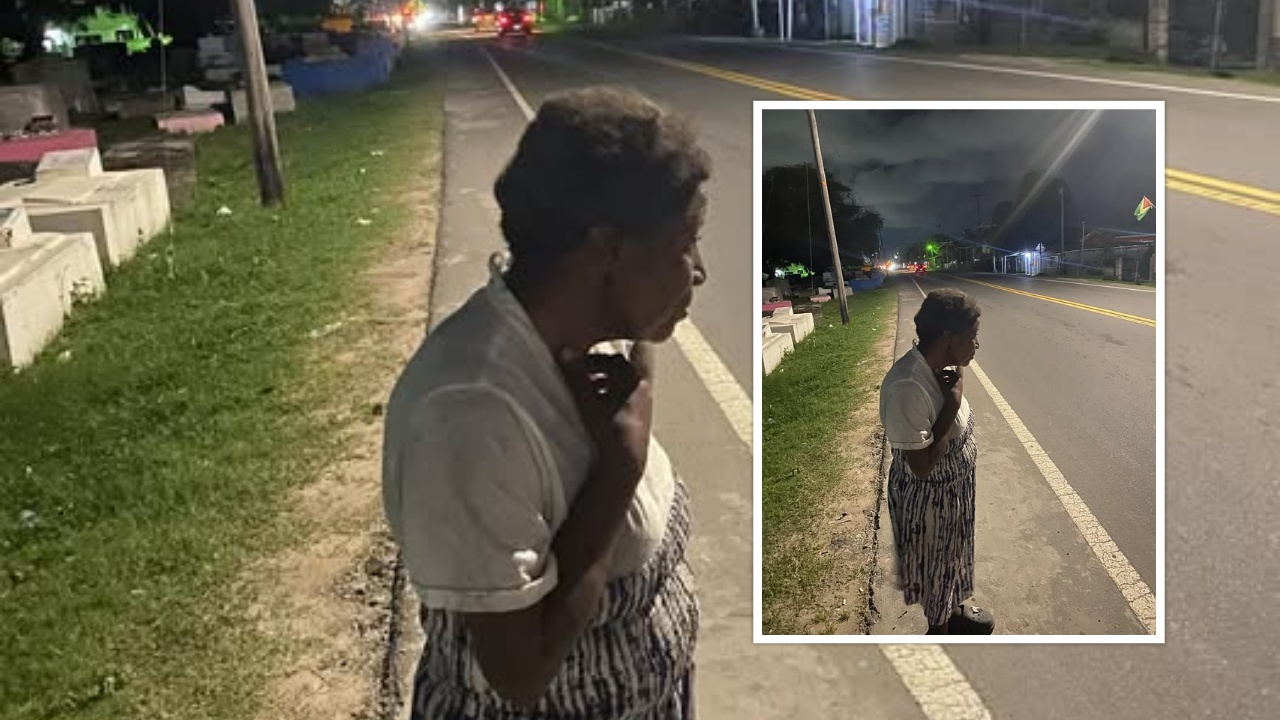
Desma Pitt, 59, faced the life-altering consequence of losing her limb after a minor injury escalated due to diabetes complications. What began as a small wound turned life-threatening, leading to the amputation of her foot. Reflecting on her experience, Pitt remarked, “I thanked my foot for the 59 years of service it gave me.”
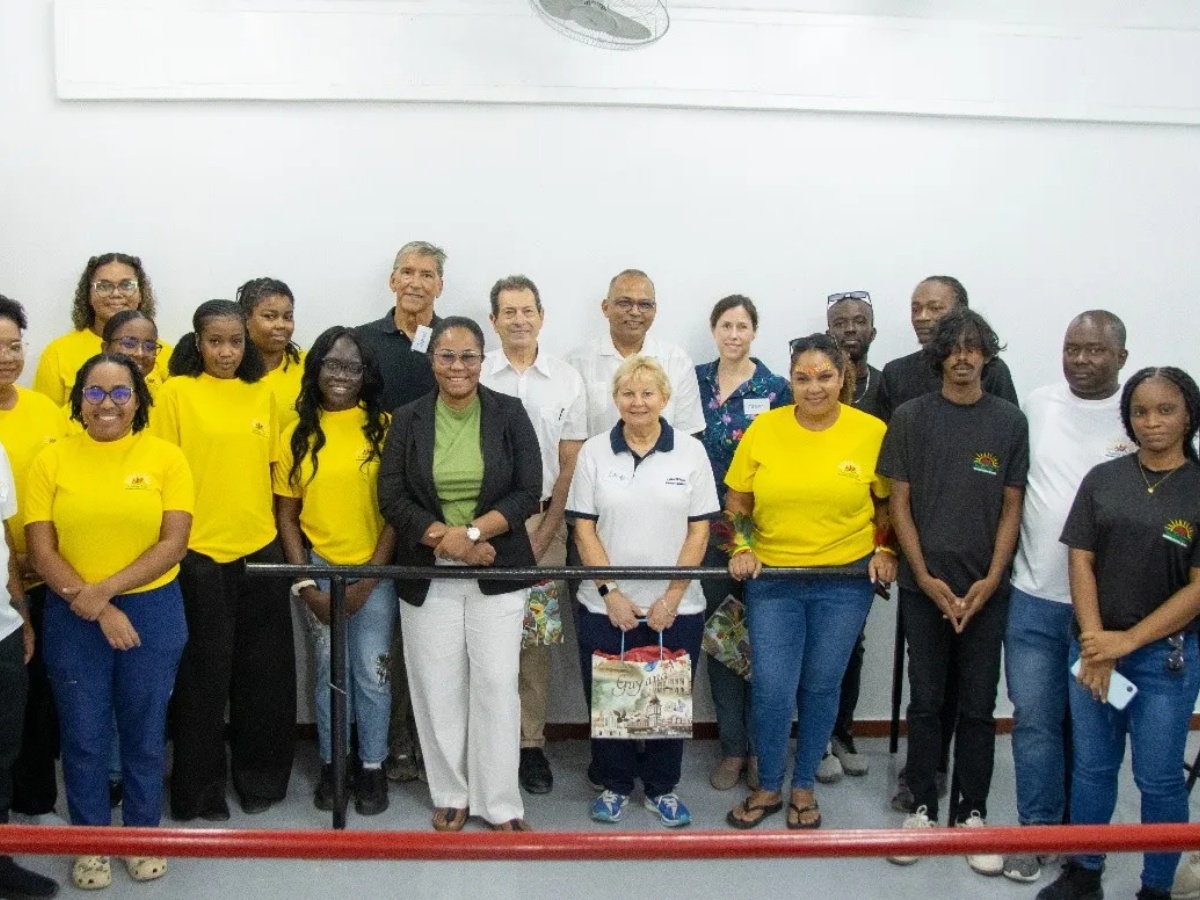
Pitt is among twenty individuals who recently benefited from an outreach program organized by the Ministry of Health in collaboration with the U.S.-based ProsthetiKa and the Ptolemy Reid Rehabilitation Centre. The initiative assessed, fitted, and trained patients in the use of prosthetic limbs while also bolstering local technical expertise.
After receiving her new prosthetic leg, Pitt expressed her overwhelming excitement, stating, “I dreamt about walking again. Now I can. I’m so thankful to the team, my children, and everyone who encouraged me. This is another phase of life, and I’m ready for it.”
Dr. Frank Anthony, Minister of Health, highlighted that the program extends beyond clinical care; it aims to restore livelihoods and encourage social participation. He said, “These services transform lives. Our goal is not only to provide prostheses but also to ensure patients regain confidence, independence, and the ability to work and care for their families.”
Dr. Anthony praised the collaboration, emphasizing that access to prosthetic services can transform lives, particularly for those who cannot afford such costs. “Through partnerships like this, we are improving accessibility while building our own technical expertise to sustainably serve our population,” he stated. He also stressed the importance of preventive measures, noting that many amputations are due to diabetes complications.
Led by Jon Batzdorff, founder of ProsthetiKa, this year’s team also included Certified Orthotists/Prosthetists and clinical physiotherapists specializing in amputee rehabilitation. Batzdorff commended the Ministry’s policy direction and the teamwork displayed throughout the week-long program. “Providing access to prosthetics is a powerful policy because it restores independence and dignity to people’s lives,” he said.
The initiative aimed to empower local healthcare workers, ensuring that skills and knowledge remain within the community. “We want the skills to stay here so repairs and future prostheses can be done locally,” he remarked.
Dr. Ariane Mangar, Director of Rehabilitation and Disability Services, noted that the program significantly advanced local rehabilitation services, restoring mobility to 20 amputees and training six new prosthetic technicians. She acknowledged a considerable waiting list of patients, with plans for further collaboration with Jaipur Foot to fit approximately 100 additional individuals.
“Together, these efforts are restoring limbs, dignity, productivity, and quality of life for many Guyanese,” Dr. Mangar stated.
Another beneficiary, Ivor Fordyce, shared his story of amputation following a seemingly minor injury from a fragment of glass. He reflected on the rapid deterioration of his condition and his newfound hope with his prosthetic limb. “I feel better and encouraged. This will help me become independent again and provide for my family,” he affirmed, expressing gratefulness for the opportunity, “God bless the whole institution for putting us back on track.”