The We Invest in Nationhood (WIN) party is pressing for proportional representation on Regional Democratic Council (RDC) committees, saying its elected councillors have been sidelined in several regions — even as the party defends its decision not to apply proportional allocations when forming the Opposition’s Shadow Cabinet.
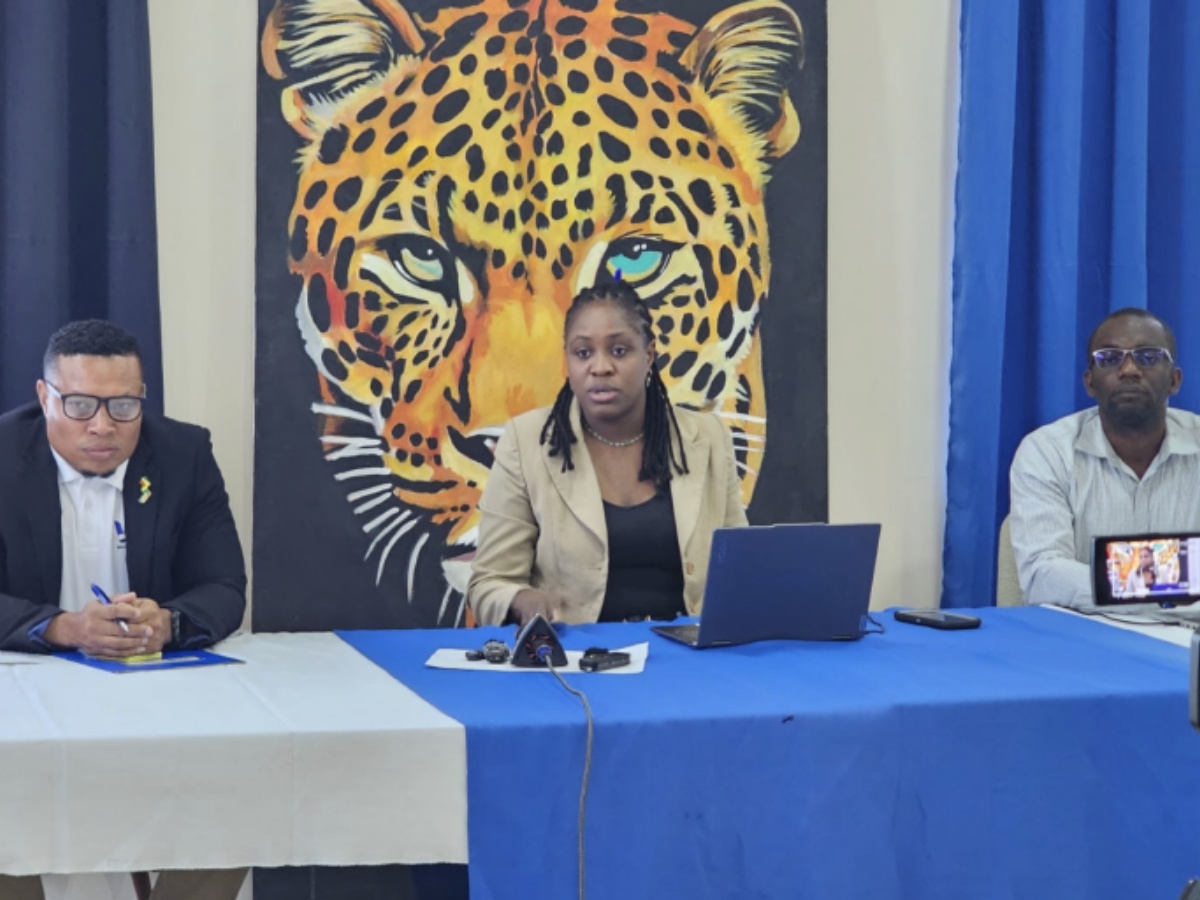
At its first press conference of 2026, held at Serenity Court on the East Bank Demerara, WIN parliamentarians said their councillors have been excluded from key regional committees in Regions Three, Four, Five and Ten despite formal submissions of nominees.
“More than 109,000 Guyanese voted for what we described as a new political movement, and those votes must translate into meaningful representation,” WIN MP Duarte Hetsberger told reporters.
Opposition Chief Whip Tabitha Sarabo-Halley said proportionality has traditionally guided the composition of RDC committees, mirroring parliamentary committee arrangements, and noted that Regions One, Two, Six, Seven, Eight and Nine have not reported disputes over placements. However, she said Region Four failed to reflect names WIN had submitted after being instructed to do so, and in Region Three written requests for committee placement were acknowledged but yielded no WIN appointments.
“There is no law that requires additional academic or technical competence beyond being an elected representative,” Sarabo-Halley said, rejecting suggestions that technical qualifications justified the exclusions. “Once elected and placed on the council, those representatives must be considered.”
While pressing for proportionality at the regional level, WIN defended its handling of shadow ministry allocations in Parliament. Sarabo-Halley said the composition of the Shadow Cabinet is determined by the Leader of the Opposition and that there is no legal requirement to distribute shadow portfolios proportionally among opposition parties.
WIN, which holds 16 parliamentary seats, offered six shadow ministries to APNU. APNU, which holds 12 seats, reportedly requested 12 portfolios based on proportionality; when that request was not accommodated, APNU withdrew from shadow assignments. WIN officials stressed the Opposition Leader’s prerogative in setting the Shadow Cabinet and reiterated that the arrangement was within constitutional bounds.
Despite the disagreement, WIN said it remains committed to cooperation with other political actors while calling for what it describes as fair and proportional inclusion at the regional level.
“Democracy is not just about winning seats. It is about ensuring that those who were elected are allowed to participate meaningfully in governance,” Hetsberger said.