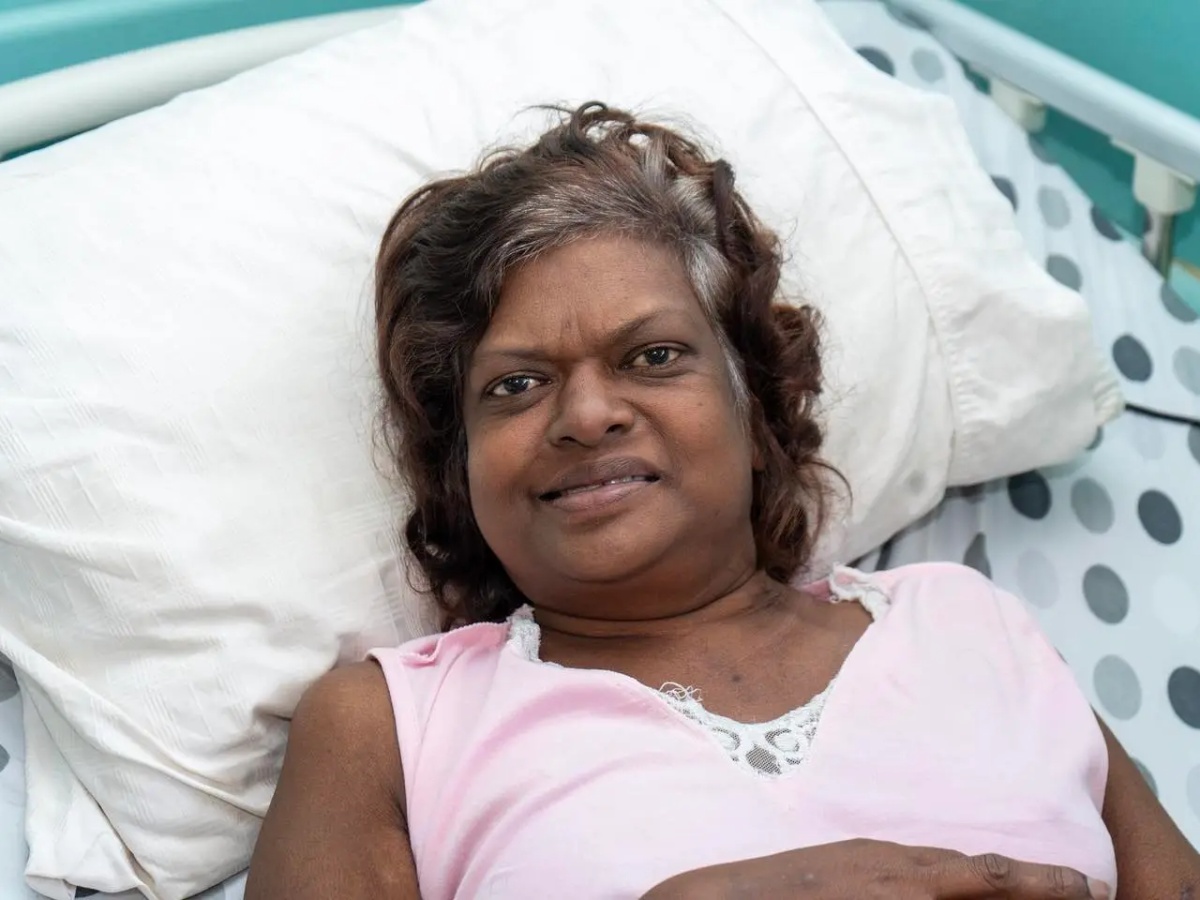
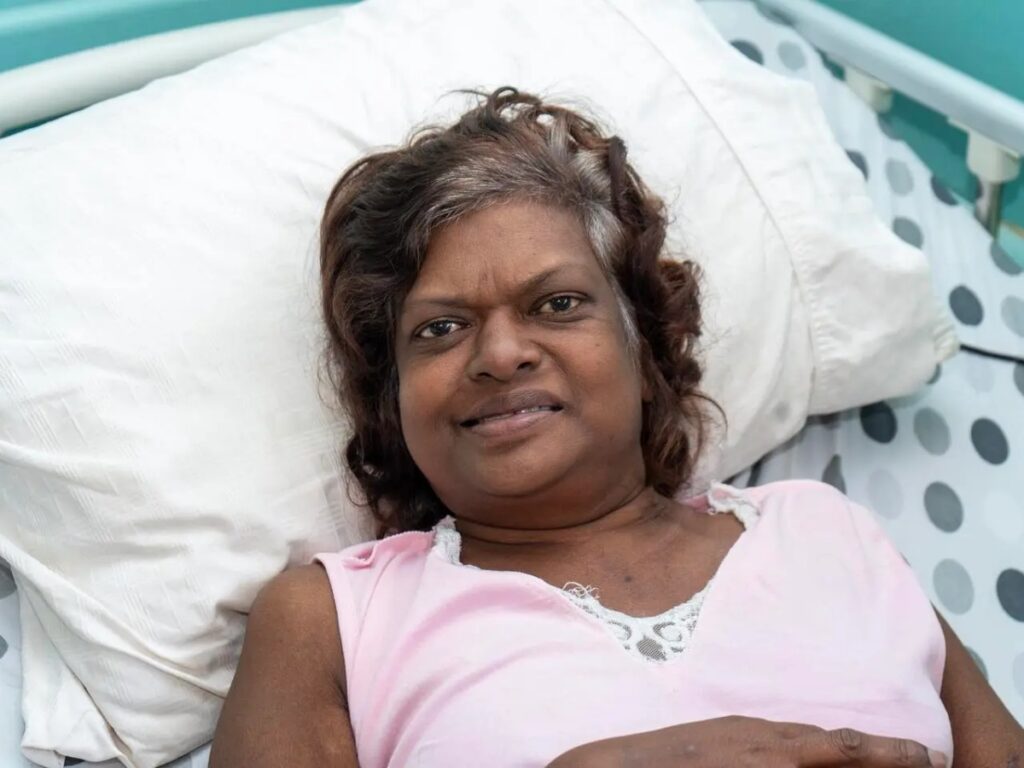
For Diana Parasram, dialysis is not just a medical treatment; it is the lifeline that sustains her existence after being diagnosed with kidney failure. This long and challenging journey mirrors the struggles faced by countless patients whose kidneys can no longer function independently. Dialysis became essential for her survival, as it removes waste and excess fluid from the blood.
Typically, patients undergoing hemodialysis have a catheter inserted through the jugular vein in the neck, providing efficient access for treatments. However, Parasram’s case proved to be far more complex. Over time, chronic hemodialysis can injure the veins used for access, leading to scarring, narrowing, or even complete blockage. As a result, Parasram faced significant complications. Years of dialysis attempts resulted in limited options for venous access. Medical teams worked tirelessly to restore access through various procedures, but imaging tests eventually revealed that too much damage had occurred to her veins.
With conventional access sites exhausted, Parasram was referred to specialists in interventional radiology for a more advanced solution. At this point, she was relying on a dialysis catheter placed in the femoral vein in her groin. This temporary option introduces risks, including a higher likelihood of infection and dangerous blood clots that can lead to life-threatening complications. Living with this uncertainty was daunting for Parasram. Yet, her medical team proposed a specialized transhepatic dialysis access procedure, a highly technical intervention reserved for patients who have no available vascular access.
During this procedure, doctors insert a catheter through the liver and guide it into the inferior vena cava (IVC), the major vein located just below the heart. This innovative technique allows dialysis to continue when all other access points have failed. The intervention was successfully executed by the interventional radiology team, and by the following day, Parasram underwent dialysis using the new access site without any complications. This breakthrough allowed her to safely remove the high-risk femoral catheter.
Parasram reflected on the emotional toll of living in uncertainty. She described feelings of fear before each medical procedure, the hunger from fasting, and the anxiety that the next attempt might fail. At times, she felt as though her options were dwindling. However, alongside her fears was a profound sense of gratitude. She expressed deep appreciation for the medical team who remembered her case, provided reassurance, and remained committed to finding a solution.
Today, Diana feels a sense of relief knowing that her dialysis can continue safely. She remains hopeful for the future and looks forward to the day she receives a kidney donor. Parasram’s experience highlights the complex challenges of managing long-term kidney failure and emphasizes the importance of collaboration among medical specialties. The coordinated efforts of nephrology and interventional radiology made it possible to find an innovative solution when traditional access options were no longer viable. For patients like Diana Parasram, dialysis access represents far more than a medical procedure; it embodies hope, time, and the promise of tomorrow.