






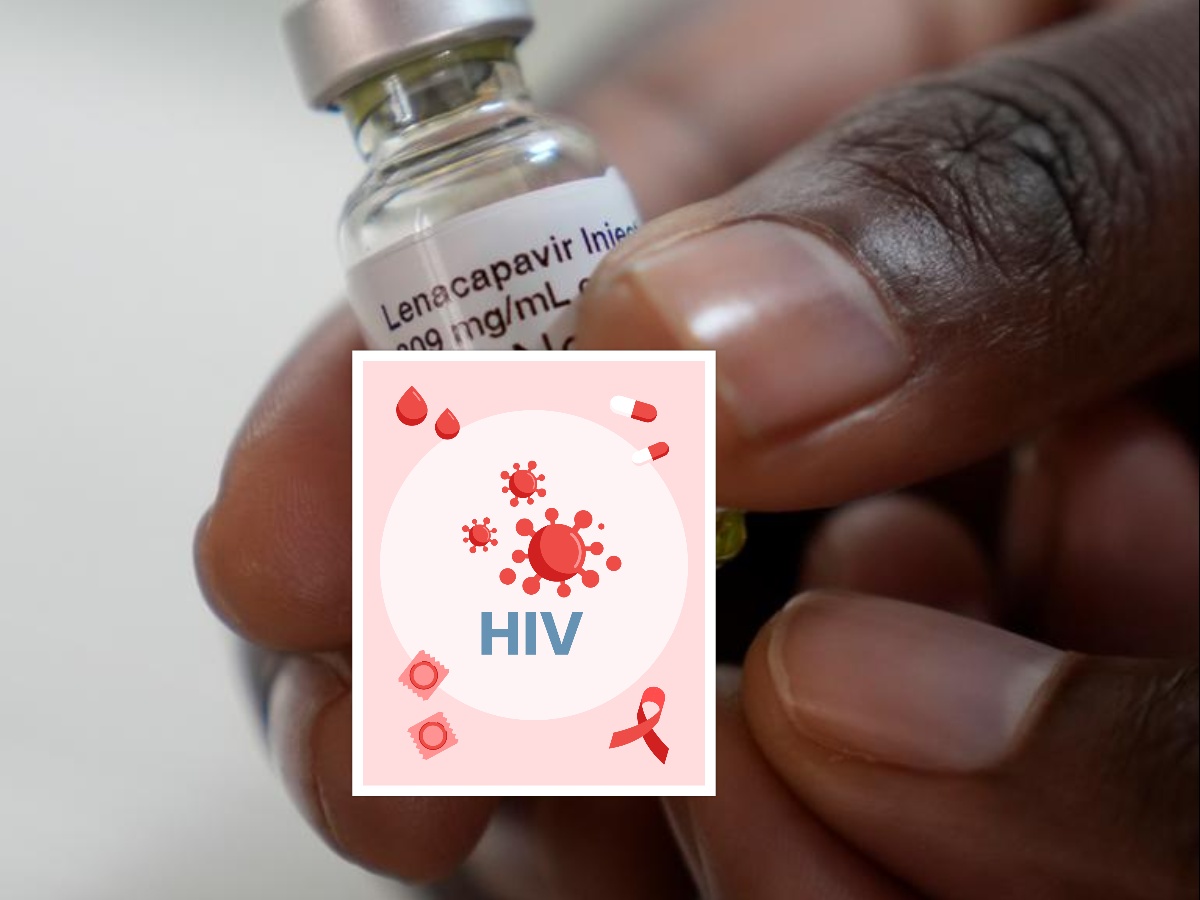
The Government of Guyana is actively working to acquire Lenacapavir, a groundbreaking medication that allows for HIV prevention through just two injections a year. Produced by the U.S. company Gilead, Lenacapavir is currently priced at US$28,000 annually for HIV treatment in the United States. However, it is expected to be available at a significantly reduced cost of US$40 per year in low- and middle-income countries starting in 2027, under a new partnership involving Dr. Reddy’s Laboratories, Unitaid, the Clinton Health Access Initiative (CHAI), and Wits RHI.
Health Minister Dr. Frank Anthony stated that local officials are in discussions with international partners to ensure Guyana benefits from this deal. “There’s a new drug on the market that we’re working to acquire, and that’s Lenacapavir,” he said. “It’s an injection, and once taken, it provides protection for six months without the need for additional medication.”
Dr. Anthony noted that while Lenacapavir is very costly in the U.S., the medication is expected to go off patent within one to two years, potentially allowing for cheaper access in the future. “A lot of people believe this could be a game-changer in terms of HIV care, and we’re collaborating with our partners to see how we can access this medication,” he added.
Clinical trials published in the New England Journal of Medicine by UNAIDS show that Lenacapavir is 96% to 100% effective in preventing new HIV infections. UNAIDS estimates that granting access to this medication for 20 million individuals, including men who have sex with men, sex workers, people who inject drugs, and young women and adolescent girls in sub-Saharan Africa, could drastically reduce new infections and accelerate efforts to end AIDS by 2030.
In Guyana, approximately 449 new HIV infections were recorded last year. Currently, pre-exposure prophylaxis (PrEP) is available in the country through public health programs, offering individuals at risk of HIV an opportunity to prevent infection.
“If you believe your lifestyle puts you at risk, you don’t have to wait until you contract HIV,” Dr. Anthony encouraged. “Come into the Ministry because we have PrEP available to treat you proactively. If you happen to be in a relationship with someone positive for HIV, using this PrEP can help prevent infection.”
He reassured the public that the Ministry is non-judgmental, emphasizing that individuals seeking help will not face intrusive questioning.
As the government continues its efforts to secure Lenacapavir, officials aim to make significant strides in improving HIV care and prevention in Guyana, ultimately enhancing public health outcomes in the country.