





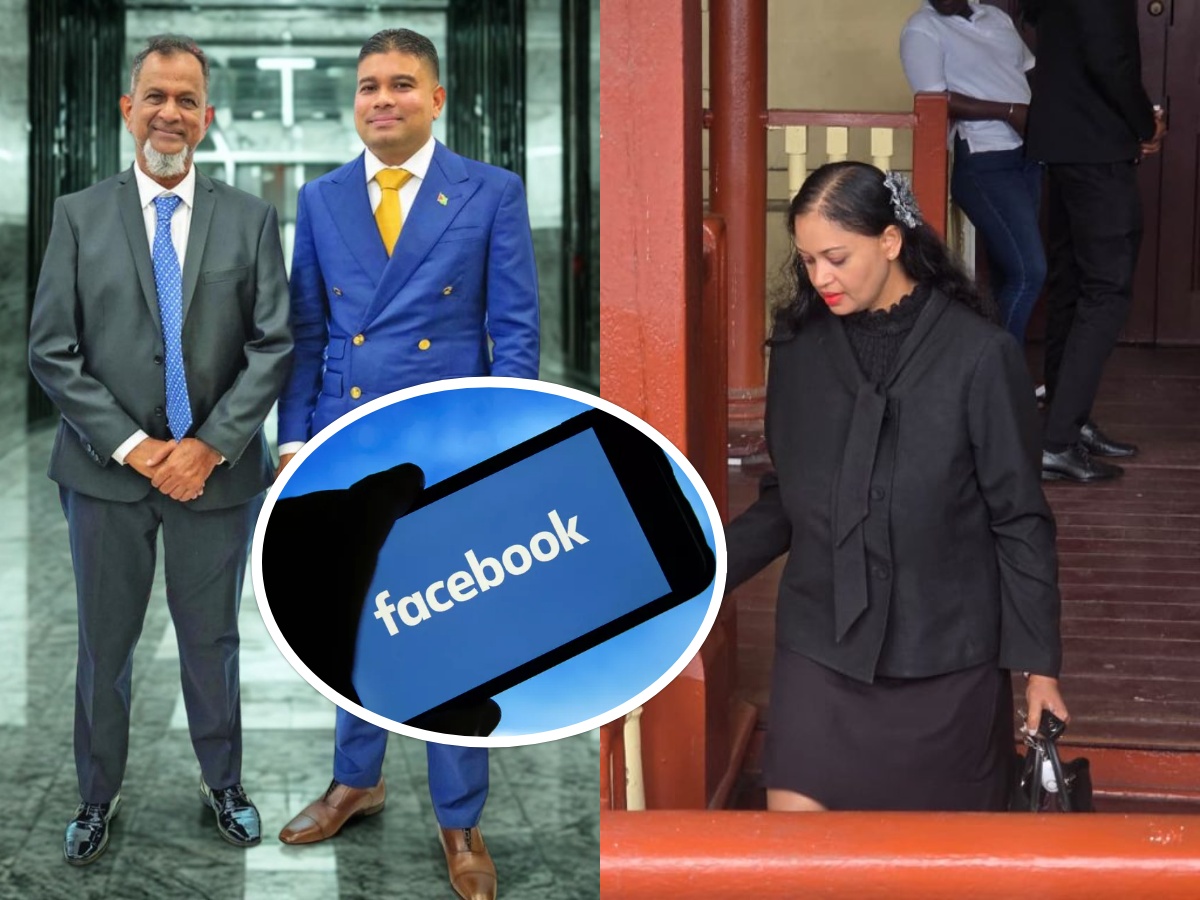
Magistrate Judy Latchman issued a stern warning on Friday to members of the public and observers against recording or publishing evidence online during the ongoing extradition proceedings involving Azruddin and Nazar Mohamed. She characterized the information as highly sensitive and urged courtroom decorum.
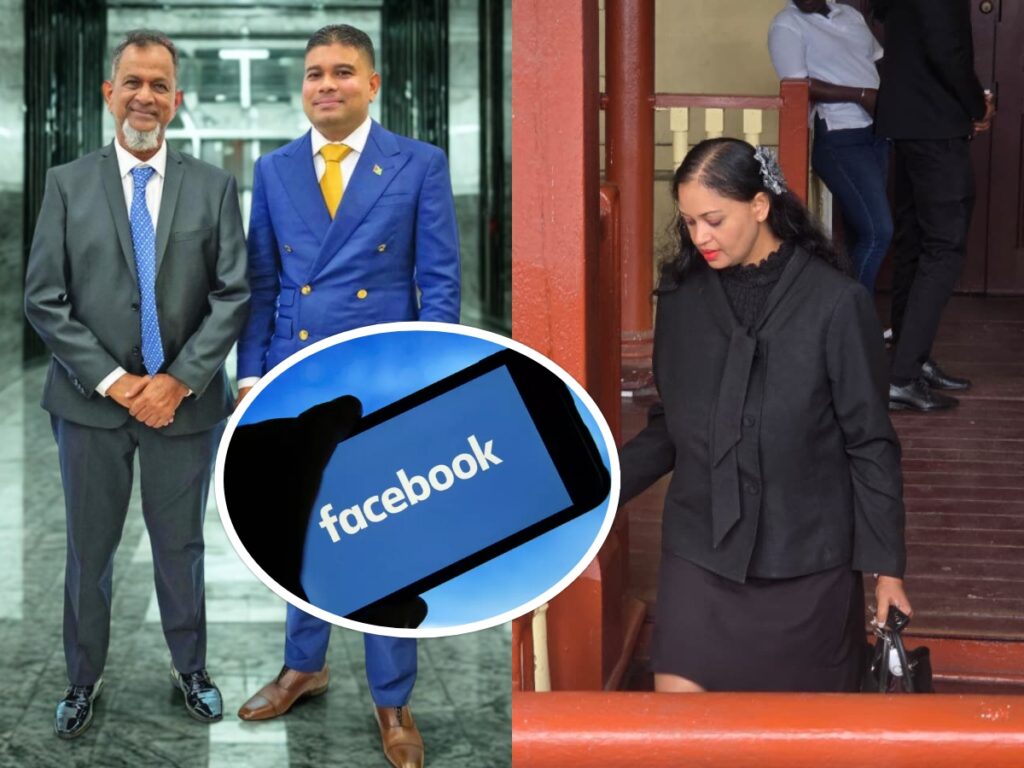
The warning came after Prosecutor Glen Hanoman raised concerns that individuals in the courtroom appeared to be recording and sharing details of the proceedings on social media platforms connected to the U.S.-indicted businessmen’s relatives. Hanoman specifically alleged that Hana Mohamed was seen recording and transcribing testimony in real time and posting it online.
Hana, present in court, was accused of making live recordings and posting comprehensive details of the proceedings, including questions and answers, to social media. The prosecutor noted that such posts were sometimes inaccurate and that similar content was appearing on another page belonging to a different sister of the Mohameds.
“Perhaps they do not know it is wrong,” Hanoman suggested to the court.
Questioned by Magistrate Latchman, Hana Mohamed denied the allegations, stating, “I have not been recording. I have been taking notes like other journalists.”
Magistrate Latchman firmly reiterated the ban on such activities, saying, “You’re not allowed to do that. So please do not do it. Stop it and desist… you need to desist.”
She emphasized that no one should post evidence from the court online, reiterating the sensitivity of the material being discussed in the extradition case. “No one should be posting evidence online. It’s very sensitive information,” she cautioned.
The committal proceedings against Azruddin and Nazar Mohamed are ongoing, with the cross-examination of Sharon Roopchand Edwards, Permanent Secretary of the Ministry of Foreign Affairs, taking place as part of the hearings.