



A 37-year-old pregnant woman with a complex medical history experienced a successful maternal and neonatal outcome following coordinated multidisciplinary care at the Georgetown Public Hospital Corporation (GPHC).
The patient was 35 weeks pregnant—her 7th pregnancy with 6 previous deliveries—when she presented with two days of abdominal pain, painful urination, fever, and nasal discharge.
Severe Anaemia Detected Early
Upon admission, clinicians recorded a mild fever, an increased heart rate, and normal blood pressure. Obstetric assessment confirmed a viable pregnancy.
Her medical history included anaemia, which had required a blood transfusion during a previous pregnancy. Initial lab tests then showed severe anaemia, with a haemoglobin level of 5.4 g/dL.
The Internal Medicine team was consulted to optimise her condition. Plans were also put in place to support foetal maturation, manage delivery timing, and reduce the risk of complications.
Myocardial Injury Triggered Emergency Intervention
On the second day of admission, the patient developed chest pain radiating to her left arm, which was not relieved by antacids. This prompted concern for an acute coronary syndrome.
A cardiac evaluation revealed elevated troponin levels, indicating myocardial injury. Cardiology determined this was most consistent with a type 2 myocardial infarction, likely linked to the patient’s severe anaemia.
Further testing showed a positive Helicobacter pylori result and vitamin B12 deficiency, leading doctors to suspect a possible upper gastrointestinal bleed contributing to the anaemia. She was treated with antibiotics, stomach-protecting medication, and iron and vitamin B12 supplementation.
Over her hospital stay, she received seven units of packed red blood cells, with haemoglobin improving from 5.4 g/dL to 7.2 g/dL, and later to 9.1 g/dL.
Coordinated Planning, Emergency Caesarean
Specialists from cardiology, internal medicine, obstetrics and gynaecology, anaesthesiology, and intensive care collaborated on a unified care plan. Multidisciplinary meetings focused on balancing two goals:
- optimising haemoglobin to prevent cardiac decompensation, and
- allowing the pregnancy to continue long enough for foetal maturation—scheduled for about two weeks.
However, on day nine, the patient developed increased maternal and foetal heart rates. The team therefore decided to proceed with an emergency caesarean section.
The procedure was carried out successfully, described as uncomplicated with minimal blood loss, helping avoid worsening anaemia or cardiac complications. She delivered a healthy infant, and both mother and baby had uneventful postoperative recoveries.
Discharged in Stable Condition
Follow-up showed improving cardiac markers and haemoglobin rising to about 10 g/dL prior to discharge. The patient was discharged in stable condition on postoperative day three, with follow-up arranged for hematology, gastroenterology, and postpartum care.
GPHC Highlights Key Lessons for Patients
GPHC said the case underscores the importance of early recognition and aggressive treatment of severe anaemia in pregnancy, particularly for patients with multiple risk factors such as advanced maternal age and grand multiparity.
In a public message, the hospital urged women to attend pregnancy clinics regularly, manage anaemia promptly, and receive nutritional support for iron deficiencies—adding that not all chest pain is caused by stomach issues, and heart problems can occur even among younger people.
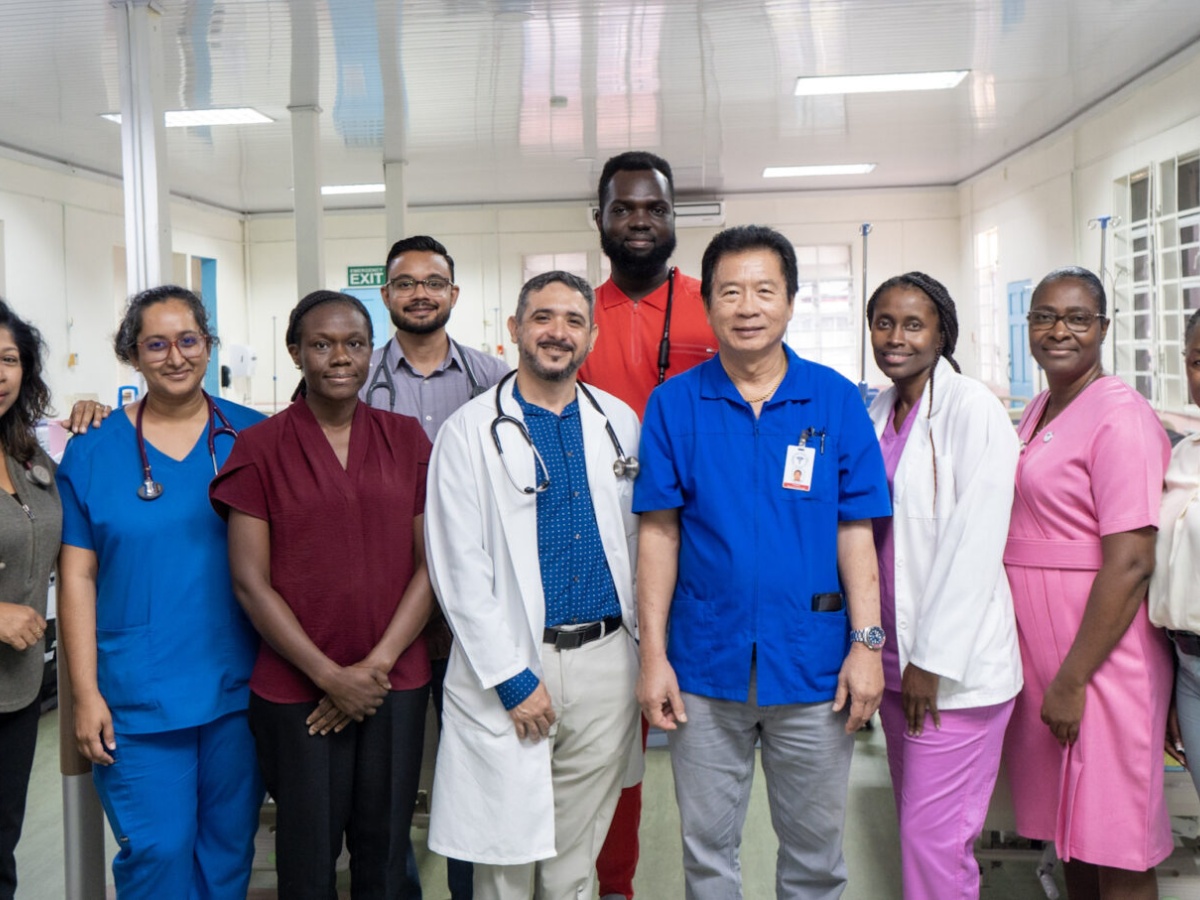
The hospital also listed members of the multidisciplinary team, including clinicians from obstetrics, internal medicine, cardiology, anaesthesia, and nursing, who contributed to the patient’s care.