






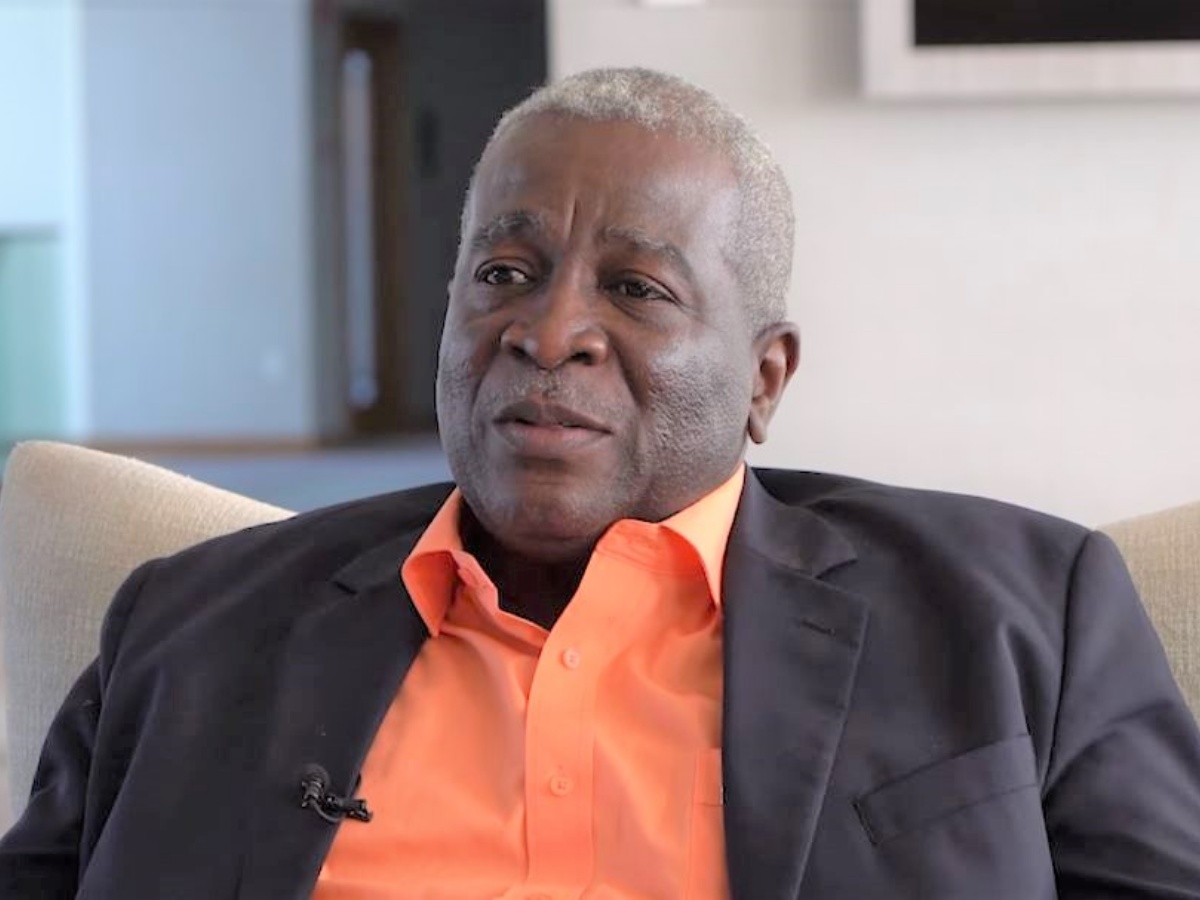
Prime Minister Mark Phillips has strongly defended the government’s development agenda, asserting that the administration holds a clear mandate to transform lives and improve public welfare. In a recent appearance on the Starting Point podcast, he emphasized the administration’s commitment to pursuing its programs while keeping citizens informed throughout the process.
Phillips acknowledged the right of citizens to voice concerns and speak freely but affirmed the government’s focus on delivering essential services and enhancing the quality of life across various sectors. “We have a mandate,” he stated, pointing out that the government’s initiatives are designed to be both transformative and inclusive.
He stressed that development cannot occur in isolation, noting that infrastructure projects, social services improvements, and economic growth initiatives are all part of a cohesive national plan.
Addressing concerns about transparency, Phillips reiterated the government’s commitment to clear communication, assuring the public that details related to major projects—including timelines, costs, and expected completion dates—are readily available. “If it’s a bridge, we tell you when it starts, when it’s expected to be completed and what it will cost,” he explained, attributing much public anxiety to misinformation surrounding development efforts.
Phillips also rejected claims that citizens hesitate to share ideas due to fear of political labeling or appropriation. He insisted that the government remains open to public suggestions, affirming that proposals not included in one budget cycle could still influence future national budgets. “We will continue to listen to the people,” he said, warning against the divisive effects of misinformation.
In addition to discussing public participation, the Prime Minister highlighted key development projects, including the gas-to-energy initiative. He noted that the first phase is expected to be operational later this year, while the second phase will play a crucial role in shaping Guyana’s long-term growth.
According to Phillips, the project is vital for reducing energy costs, fostering industrial growth, and supporting broader economic expansion, setting the stage for sustained development in the years ahead.
