






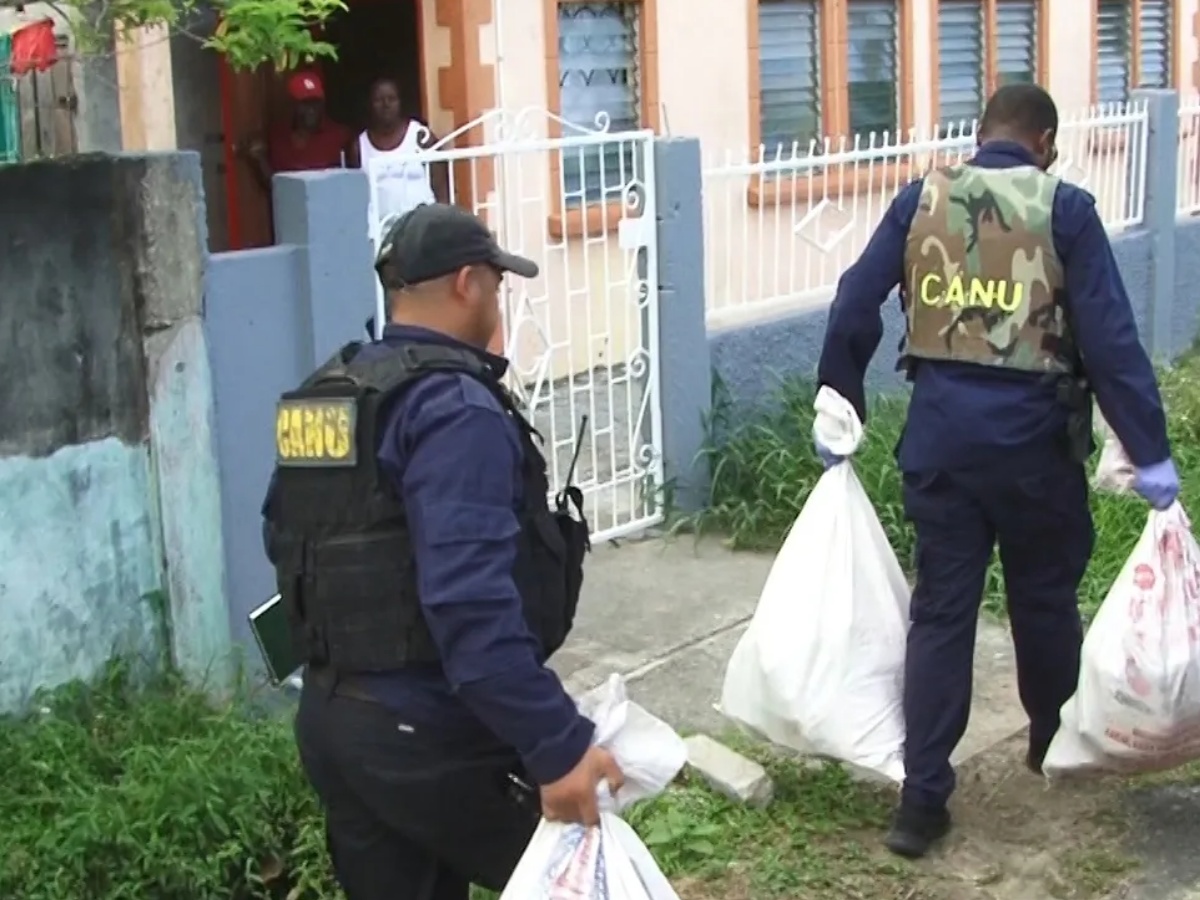
In 2025, Regions Four and Six emerged as the frontrunners in Guyana’s narcotics interdiction efforts, with Region Four recording the highest cocaine seizures and Region Six leading in cannabis confiscations, as the Customs Anti-Narcotic Unit (CANU) intensified intelligence-led operations across the nation.
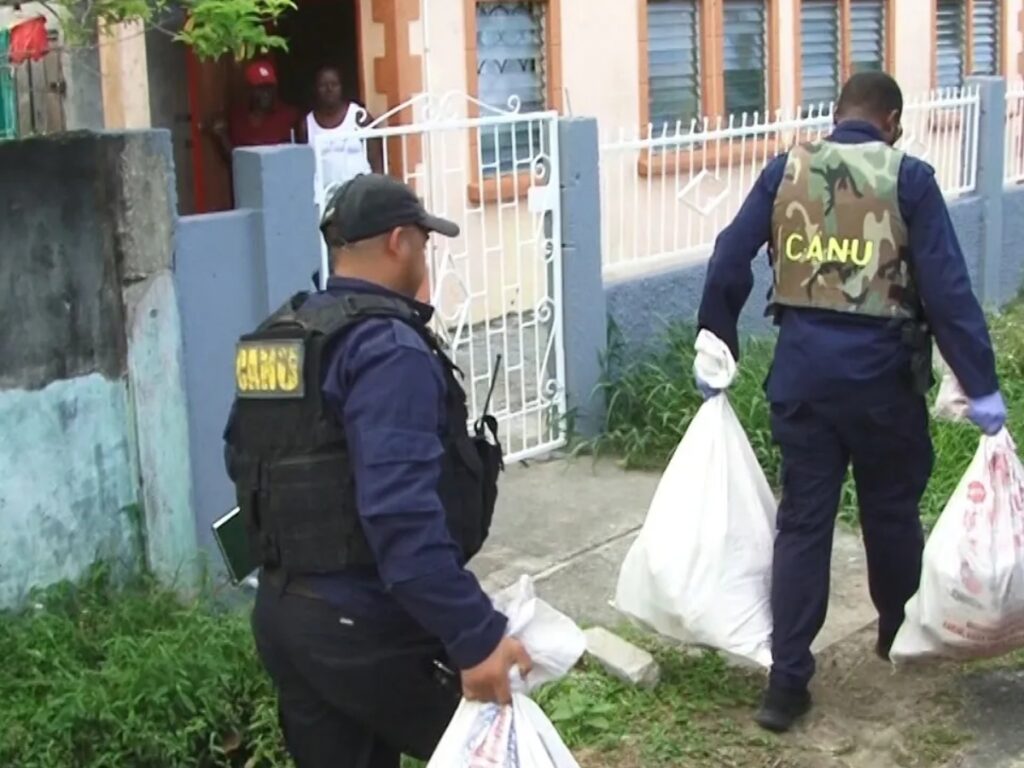
According to CANU’s performance data, Region Four seized 172.8 kilogrammes of cocaine, while Region Six accounted for 576 kilogrammes of cannabis. These figures highlight the concentration of trafficking activities along major population centers, transport corridors, and border-linked regions.
Overall, CANU reported total seizures of 235.9 kilogrammes of cocaine and 726.3 kilogrammes of cannabis during the year, along with smaller but increasing amounts of synthetic drugs, including 674 grammes of ecstasy and 83 grammes of methamphetamine. Cannabis products totaling 9.16 grammes were also confiscated. Cocaine and cannabis remain the dominant narcotics threats in Guyana.
Despite the overall decline in cocaine seizures compared to 2024—largely due to a single extraordinary seizure made that year—authorities emphasized the continued activity of trafficking networks, particularly along coastal and border-adjacent regions.
A significant development in 2025 was the launch of Guyana’s National Early Warning System (EWS), designed to enhance the country’s capacity to detect and respond to new psychoactive substances and emerging drug threats. The EWS integrates inputs from various agencies, allowing for rapid alerts and evidence-based interventions in alignment with regional and international best practices.
Throughout the year, CANU intensified intelligence-driven interdiction operations targeting organized criminal networks and high-risk ports. These efforts led to 117 arrests, of which 62 individuals were charged. Approximately 82% of those arrested were male, aligning with global trends in drug-related crime, with arrest peaks noted in April, May, July, and September.
The judicial system secured 29 drug-related convictions in 2025, including 14 for cocaine offenses, 12 for cannabis, and three linked to synthetic drugs and cannabis products. Fines imposed reached as high as GYD $311 million, with custodial sentences extending up to four years, depending on the quantity involved and evidence of trafficking intent.
The estimated street value of all narcotics seized during the year was approximately GYD $433.9 million. Cocaine accounted for GYD $235.9 million of this total, while cannabis was valued at GYD $197.7 million. Although ecstasy and methamphetamine made up less than one percent of the overall value, officials noted their increasing presence and are closely monitoring these substances through the Early Warning System.
In a concerning trend, CANU reported a continued connection between narcotics trafficking and firearms, seizing 13 firearms during operations in 2025, with 9mm pistols being the most common weapon recovered. Half of the seized firearms were directly linked to narcotics operations. While ammunition seizures declined by 62%, the recovery of both 9mm and shotgun rounds underscored the persistent overlap between drug and firearm networks.
Beyond enforcement, CANU expanded its prevention and community engagement initiatives, reaching 5,678 beneficiaries through school-based programs, youth engagements, and outreach targeting vulnerable groups. More than 86% of these prevention activities were conducted in schools, focusing on high-risk age groups.
As 2026 approaches, CANU remains committed to ensuring that Guyana continues to be a regional disruptor in the fight against illicit drugs, supported by enhanced intelligence tools, expanded partnerships, and improved operational readiness to confront emerging trafficking methods and the rising threat of synthetic drugs.