






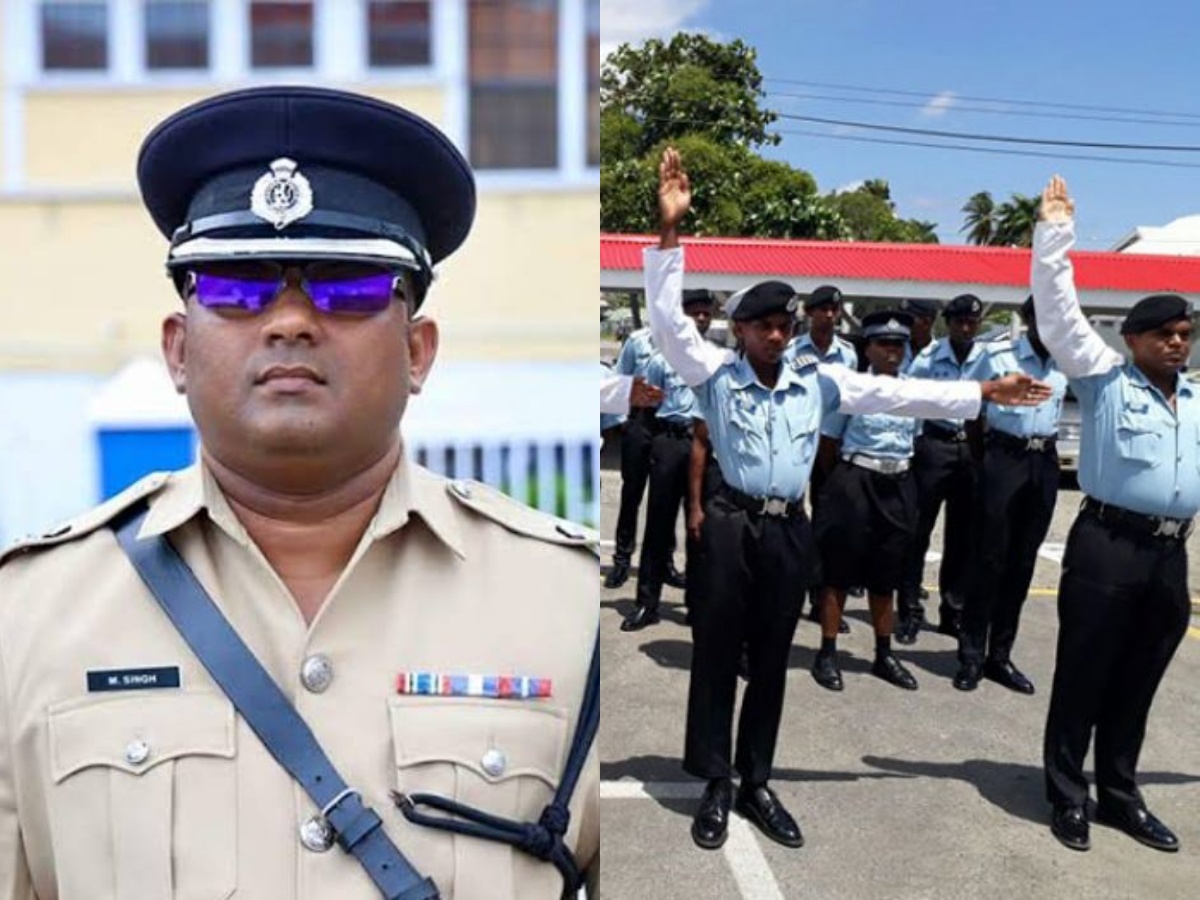
Kaieteur News Reports | Traffic Chief, Assistant Commissioner Mahendra Singh, has issued a sweeping directive aimed at overhauling the Traffic Department in response to pervasive misconduct, lawlessness, and unprofessional behavior among traffic ranks nationwide. This initiative, communicated through Deputy Commissioner of Police Errol Watts, addresses the growing “drift of public trust” that has resulted from rogue ranks abusing their authority and violating traffic laws.
The directive highlights serious concerns within the department, pointing out that some officers have become complicit in lawlessness, displaying selective enforcement, undue familiarity with motorists, and unacceptable levels of bias. In a memo circulated to regional traffic officers, inspectors, and subordinate ranks, Singh emphasized that the department’s credibility is being undermined by officers engaging in behaviors such as driving tinted vehicles while charging others for the same offense, consuming alcohol in public while in uniform, and posting inappropriate content online.
“We cannot bully people in a modern and informed society,” Singh asserted, urging officers to lead by example and restore public confidence. He took particular aim at police commanders and officers operating vehicles with illegal tints while aggressively enforcing tint laws against the public.
The memo identifies several critical issues affecting the department, including poor deployment strategies, inadequate visibility, and a reluctance among some ranks to fulfill their duties. In an effort to rectify these problems, Singh has outlined several immediate measures: supervisors must engage with officers at their posts rather than simply dispatching them, there will be weekly performance reviews, strict traffic enforcement protocols will be reinstated, and ranks’ personal vehicles will undergo compliance audits.
Singh stressed the necessity for all ranks to maintain proper records of cases until final disposition and to align their performance with the strategic goals of the Guyana Police Force. “We must set the right examples,” he stated, warning that selective enforcement and corruption are eroding public trust.
As public criticism of traffic ranks has intensified—particularly regarding issues of selective enforcement, harassment, and abuses captured on social media—this directive serves as a crucial step towards restoring integrity within the Traffic Department and ensuring that officers adhere to the laws they are sworn to enforce.
- “15 Minutes to Come Home or Regret It” Father Recounts Chilling Warning Before Berbice Child Tragedy
- “Mental Health Is Fragile” Minister Persaud Calls for Compassion and Action After Seven-Year-Old’s Tragic Death
- Seven-Year-Old Girl Allegedly Killed by Mother in Corentyne; Toddler Survives
- Brazilian National Remanded Over Armed Robbery Charge in Lethem
- Ministry Investigates Fake Medical Certificates Submitted for Tint Waivers Fraudsters Warned of Serious Consequences
