






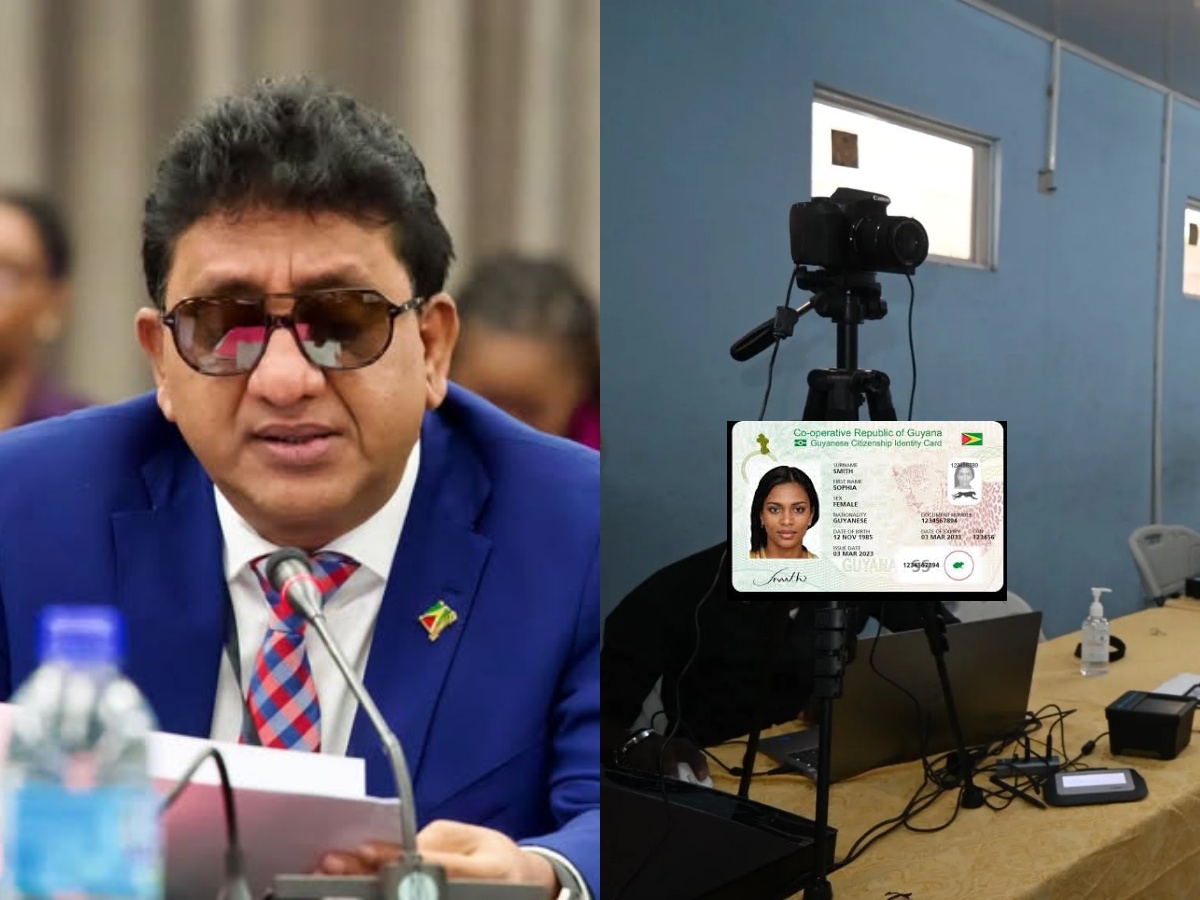
Attorney General and Minister of Legal Affairs, Anil Nandlall, SC, has firmly rejected claims that the government’s rollout of digital identity cards poses any threat to citizens’ privacy. During his weekly “Issues in the News” programme, he emphasized that necessary legal safeguards are already in place and that only public-domain information is being collected in the initial phase.
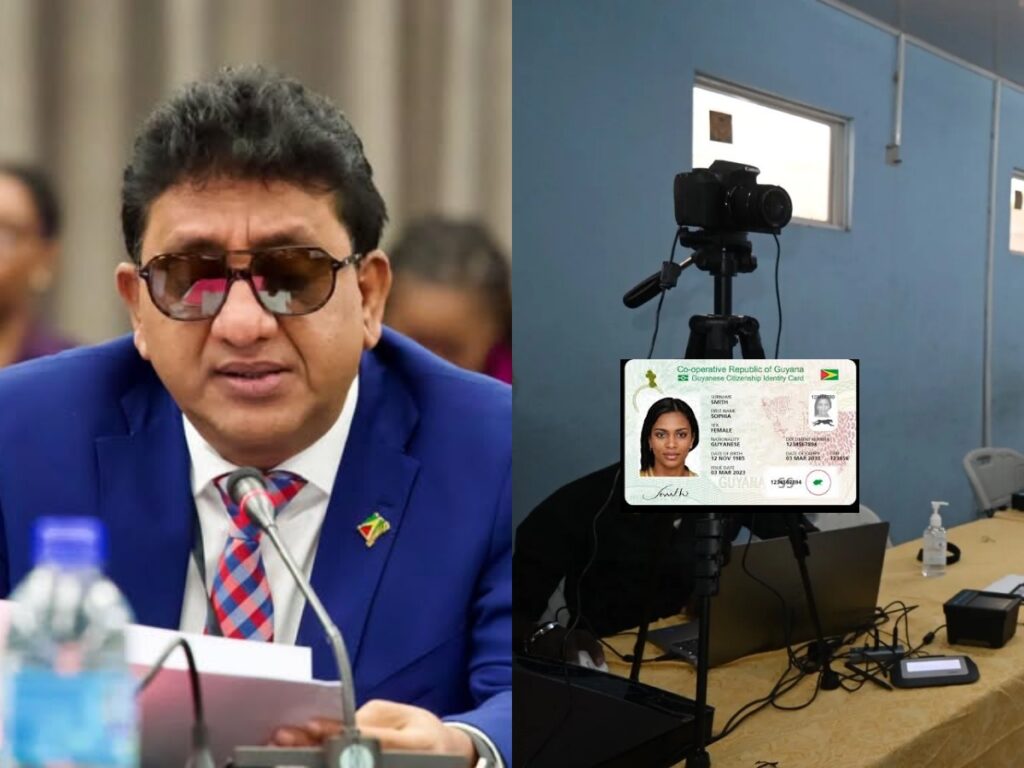
Nandlall clarified that the distribution of new e-ID cards to select state employees is being conducted on a limited, voluntary basis as preparations continue for the full implementation of the Digital Identity Card Act and the Data Protection Act—both passed last year as part of Guyana’s digital transformation agenda.
“These two pieces of legislation are modern and visionary, crafted to meet international standards and containing all necessary protective safeguards for managing sensitive personal data,” he stated.
He further explained that both acts contain commencement orders yet to be activated, recognizing the need for a complex infrastructure before their enforcement. “These are complex pieces of legislation requiring a substantial administrative apparatus,” Nandlall noted. He assured that the government is moving with “every convenient urgency” to establish the necessary systems and trained personnel.
Addressing concerns raised, particularly by the political opposition, Nandlall assured the public that no private or sensitive data is being collected at this stage. “Participation has been entirely voluntary, as the law is not yet in force,” he stated, adding that the information being uploaded to the cards includes names, addresses, ID card numbers, and other civil-registry details already held within existing government systems.
He emphasized, “No personal medical data, financial data such as bank accounts, or deeply personal information have been taken from anyone.” Nandlall criticized the fears expressed by the APNU and others, labeling them as “unfounded, without basis and polluted by politics.”
Once the necessary systems and regulatory structures are fully operational, he explained, the commencement orders for both laws will be issued, making participation legally required for all citizens in line with international standards for national identification systems.
Currently, he reiterated, the process remains voluntary and strictly governed by internal safeguards. Nandlall concluded by asserting the government’s commitment to ensuring that when the digital ID system is fully launched, it will operate under “the most modern statutory protection” to guarantee citizens’ privacy, security, and confidence.