






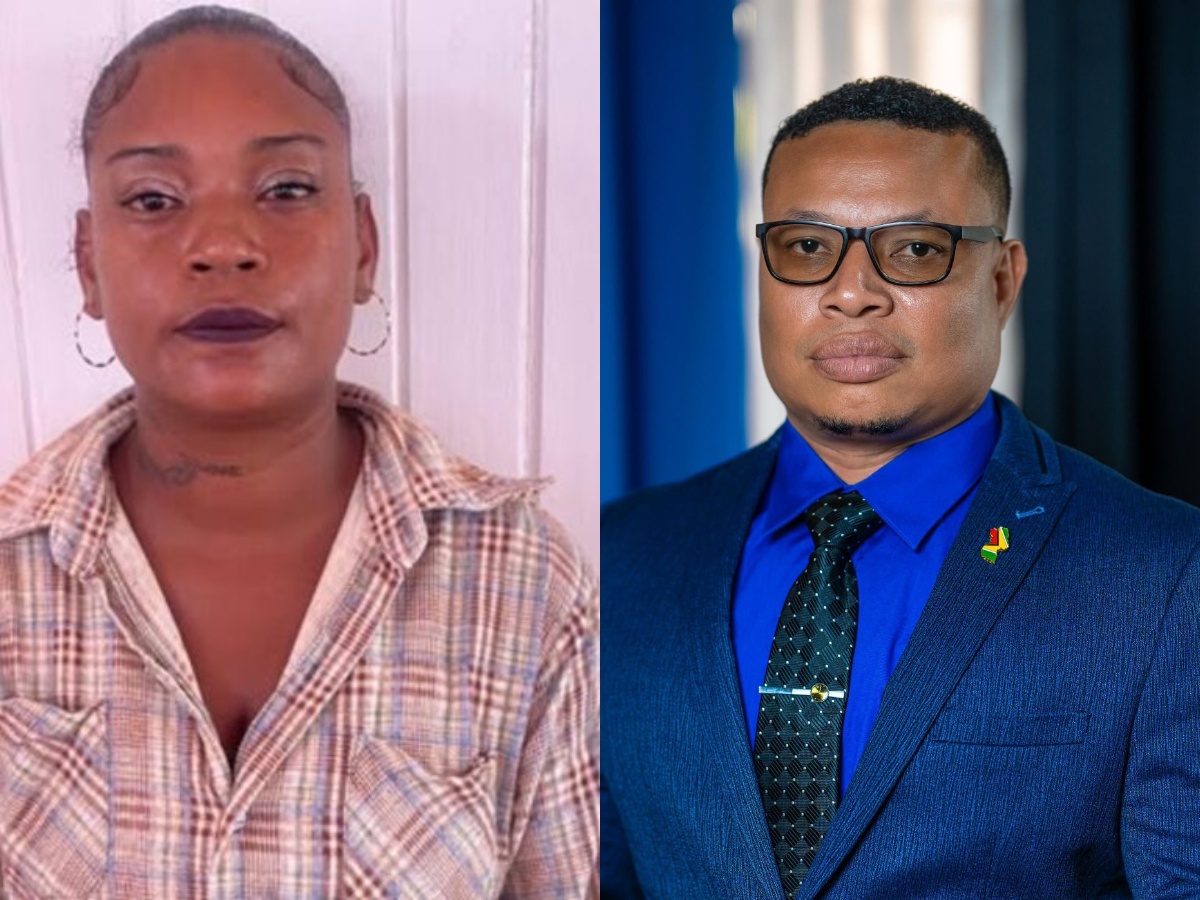
Duarte Hetsberger’s MP impassioned address on the state of justice in Guyana has sparked significant dialogue regarding perceived inequalities within the legal system. His remarks come in the wake of a harsh sentence handed down to a single mother, who received a one-year prison term and a fine of $1 million for a cyber offence.
“Good morning, Guyana. I have to speak from my heart today, because what happened yesterday cut deep. It shook me. It made me question what kind of country we are really living in,” Hetsberger stated, highlighting the emotional weight of the situation.
He expressed outrage that while a hardworking woman stands up for her rights and faces severe punishment, individuals like Jennifer Ally, who have been known to use racial slurs and insults, receive leniency—just a gentle reprimand and an offer of counseling. “We have the Guyanese Critic, who bullies and harasses people publicly, and nothing ever happens. Not even a whisper from the law,” Hetsberger lamented.
Hetsberger questioned the integrity of the justice system, asking, “Is this the One Guyana they promised us? Or is it One Justice System for them and another for the rest of us?” He pointed to stark disparities, such as individuals charged with serious crimes, including murder and attempted murder, being granted bail, while a mother seeking to support her family faces the full brunt of the law.
“How is it that a man who killed a police officer can get bail on his first court appearance? How is it that attempted murder gets bail? Vehicular manslaughter gets bail?” Hetsberger exclaimed, underscoring the troubling inconsistency in judicial outcomes.
The 24-hour news cycle has not overlooked this conversation, with many in the public echoing Hetsberger’s sentiments. He urged citizens to refuse to ignore the discrepancies in justice, emphasizing that “justice looks at your face, your politics, and who you associate with,” further arguing that true democracy and justice should not be contingent upon one’s social status or political alignment.
“This is personal,” Hetsberger continued. “Injustice anywhere eventually becomes injustice everywhere. Today it is her. Tomorrow it could be me. It could be you. It could be your son, your daughter, your sister, or your brother.”
He called upon the populace to unite in the face of these injustices, declaring, “Guyanese, I beg of you, to stand up. Stand up for what is right. Stand up for each other. Stand up so that justice can finally be justice—not punishment for some and protection for others.”
As Hetsberger declared, “If we don’t stand now, we may all fall later. Enough is Enough!” His words resonate with many citizens, creating a powerful call for a more equitable and just society in Guyana. The dialogue surrounding this incident continues to raise critical questions about fairness and accountability in the Guyanese justice system.