
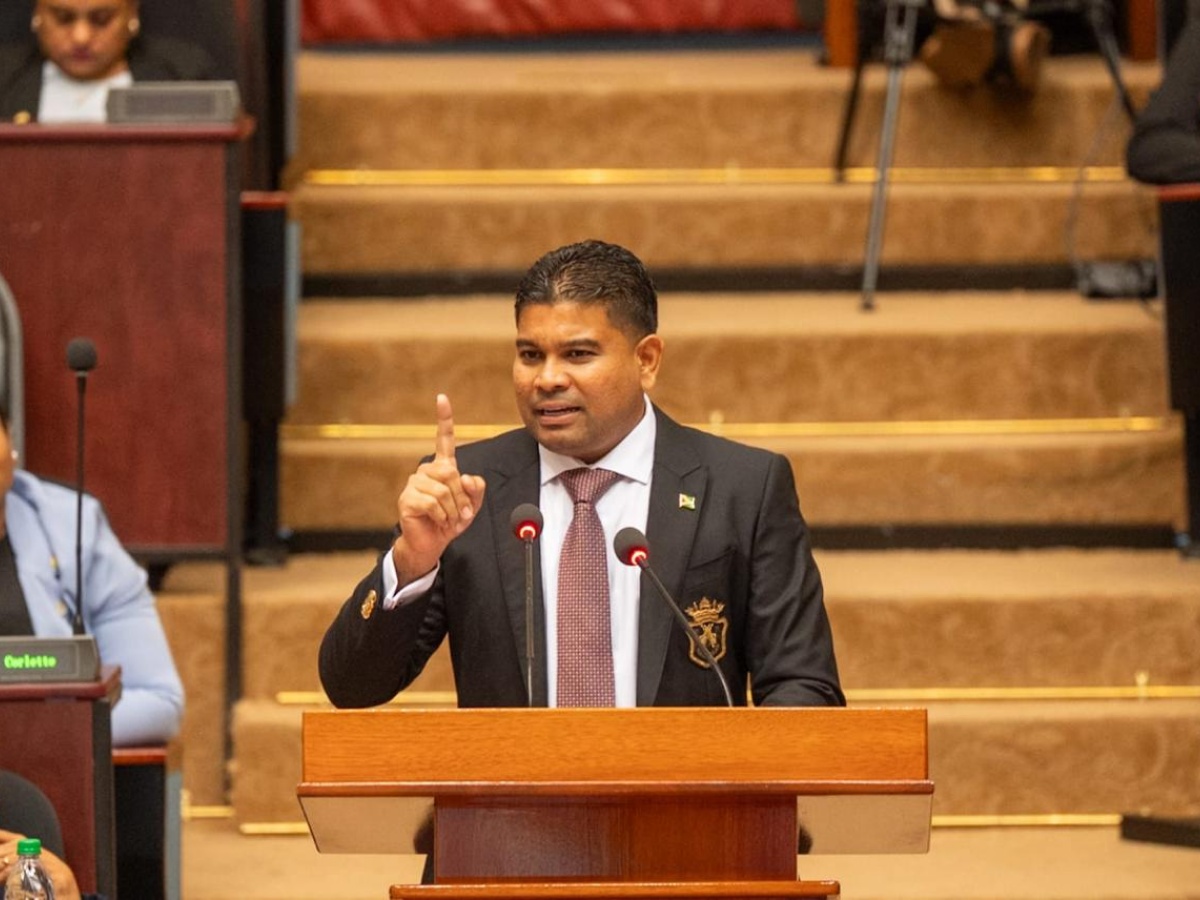
News Source Guyana Reports | In a heated session of the National Assembly, Leader of the Opposition Azruddin Mohamed vocally criticized the 2026 National Budget, describing it as inadequate for the ordinary Guyanese and overly favorable to the friends and family of the PPP/Civic government. His remarks drew enthusiastic support from his party members, contrasting with jeers from the government side.
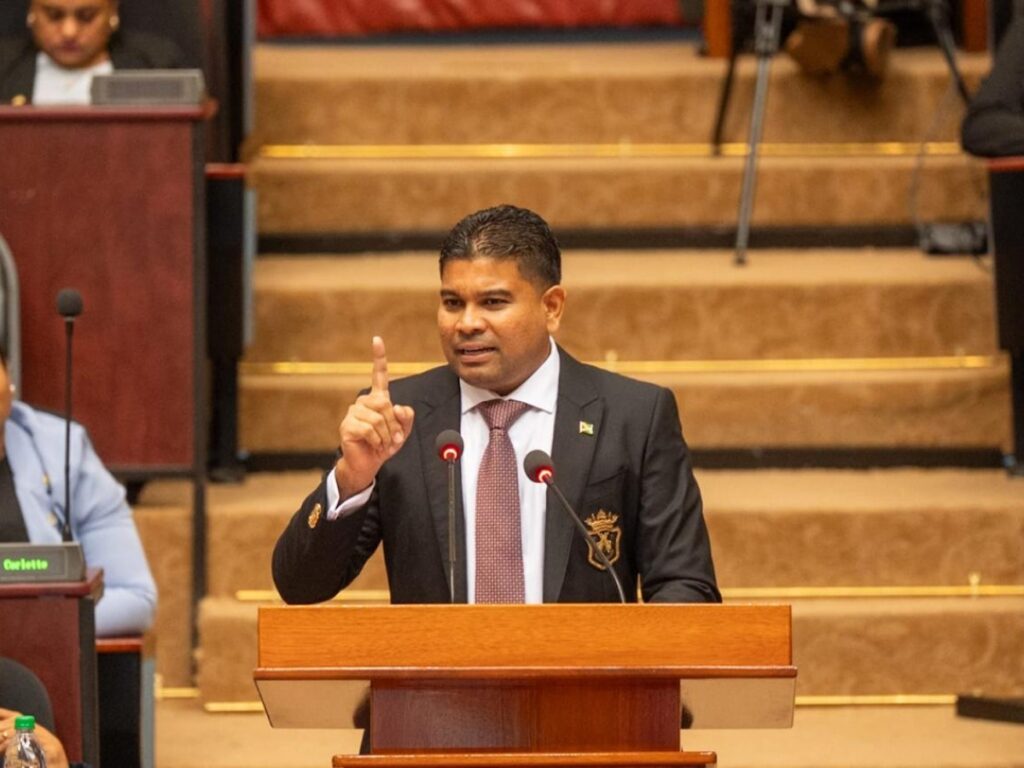
Mohamed pointed out that despite being the largest budget in the country’s history, it does not guarantee positive outcomes for the populace. “The government wants the nation to believe that because the budget is the largest, it will automatically yield the best results. However, bigger budgets do not equate to better lives,” he stated, highlighting the struggles families face across the nation.
He emphasized the lack of significant measures to assist public servants and frontline workers, stating, “We must question how callous the members on the opposite side are, presenting this immense budget while more than half the population lives in poverty, with little to cushion the cost of living.”
As he continued his address, Government Chief Whip Gail Teixeira raised a point of order, noting that Mohamed was reading from a prepared speech, which she argued was against the Standing Orders. Despite this, Mohamed persisted, facing continuous heckling from government members, while his party rallied in defense.
With a focus on accountability, Mohamed declared, “What this budget is designed to do is to show big numbers on paper, while billions are siphoned off in backroom dealings.” As Opposition Leader, he committed to scrutinizing public spending, vowing, “Come the next elections, you will be out of office.”
Turning to the energy sector, Mohamed challenged Prime Minister Mark Phillips, stating that the government has failed the Guyanese public, particularly regarding the Guyana Power and Light (GPL) service amidst ongoing blackouts. He lamented, “Despite the billions allocated for power ships, residents are still facing daily outages.”
The discussion shifted to the gold mining sector, where Mohamed pointed out a decline in gold declarations, recalling a time when declarations were higher during his involvement in the business. He noted the current difficulties in obtaining foreign currency from local banks and criticized the government for marginalizing small miners, who have historically supported the industry.
Mohamed also reflected on public infrastructure investments, asserting that despite significant expenditures on roads, the state of infrastructure continues to be poor. “Contracts are plagued by kickbacks, and maintenance is lacking,” he claimed.
In closing, he remarked that the budget’s theme of “Putting People First” belies a reality focused on “Putting People Last,” as persistent poverty remains unaddressed. Mohamed’s criticisms underscore a widespread sentiment of discontent among various sectors of society regarding the government’s financial priorities.