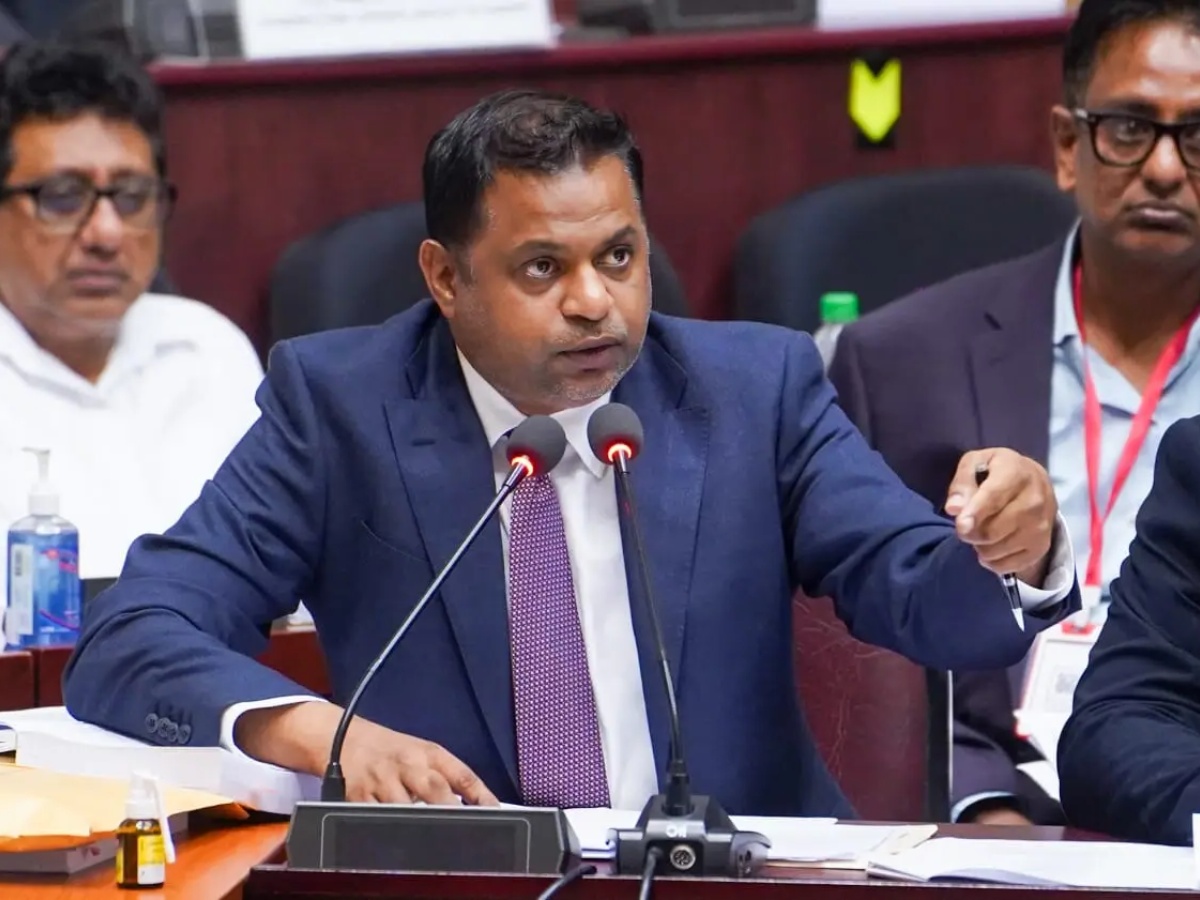
Minister of Public Utilities and Aviation Deodat Indar addressed the National Assembly on Tuesday, defending his ministry’s budget estimates for 2026, which are heavily impacted by subsidies, particularly a $25 billion allocation to Guyana Power and Light Inc. (GPL).
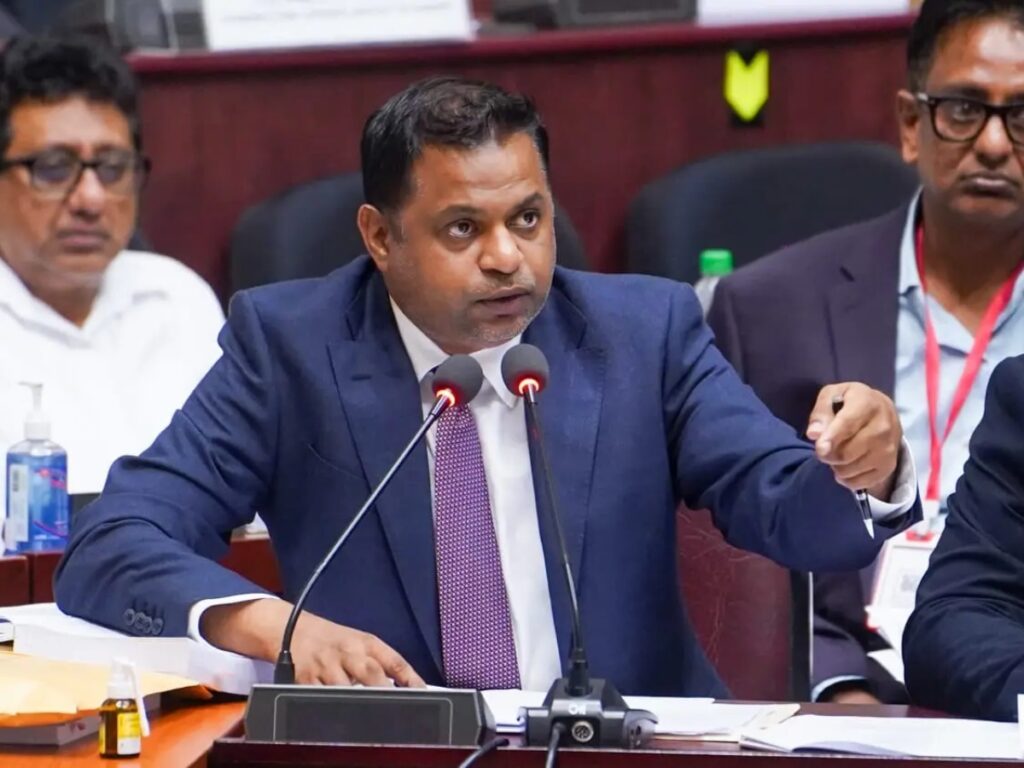
Indar highlighted that the government is absorbing increasing operational costs across essential services while maintaining a lean ministry structure with minimal staffing and administrative overhead.
During a session of the Committee of Supply, Opposition members scrutinized the budget and questioned the ministry’s ability to manage an expanded portfolio alongside significant financial commitments. Indar explained that GPL’s allocation arises from the volatility of fuel prices, which significantly affects electricity generation costs. He noted that fluctuations in fuel prices can lead to substantial financial repercussions for the utility.
“This dependence on fuel is a major driver of expenditure,” Indar said, emphasizing that continued government support is vital to stabilize operations in a sector susceptible to global market changes. He pointed out that rising fuel prices rapidly translate into billions of dollars in additional costs, necessitating government intervention to avoid passing the burden onto consumers in the form of higher tariffs or service instability.
In addition to subsidy discussions, Opposition members expressed concerns regarding the ministry’s administrative capacity to effectively coordinate major agencies and projects. They questioned whether there are sufficient mechanisms in place to ensure accountability in a sector that annually spends large sums.
Indar responded by asserting that his ministry, while small, is strategically positioned. He mentioned efforts to bolster its coordination role through the creation of monitoring systems rather than expanding the bureaucracy. He highlighted the development of a government-wide dashboard system designed to track projects and interventions across agencies under the ministry’s jurisdiction.
The minister also faced inquiries regarding office accommodation and rental costs, noting that the ministry relies on rented space due to a shortage of available government buildings. He defended this arrangement as a practical necessity, asserting that it does not reflect excessive spending.
Despite the concerns, Indar maintained that his ministry operates with minimal staffing and resources, stating that his office functions efficiently with a small team and limited vehicles. He reiterated that the ministry remains “nimble” despite its expanding responsibilities, which include oversight of electrification initiatives, aviation regulation, and broader public utilities management.