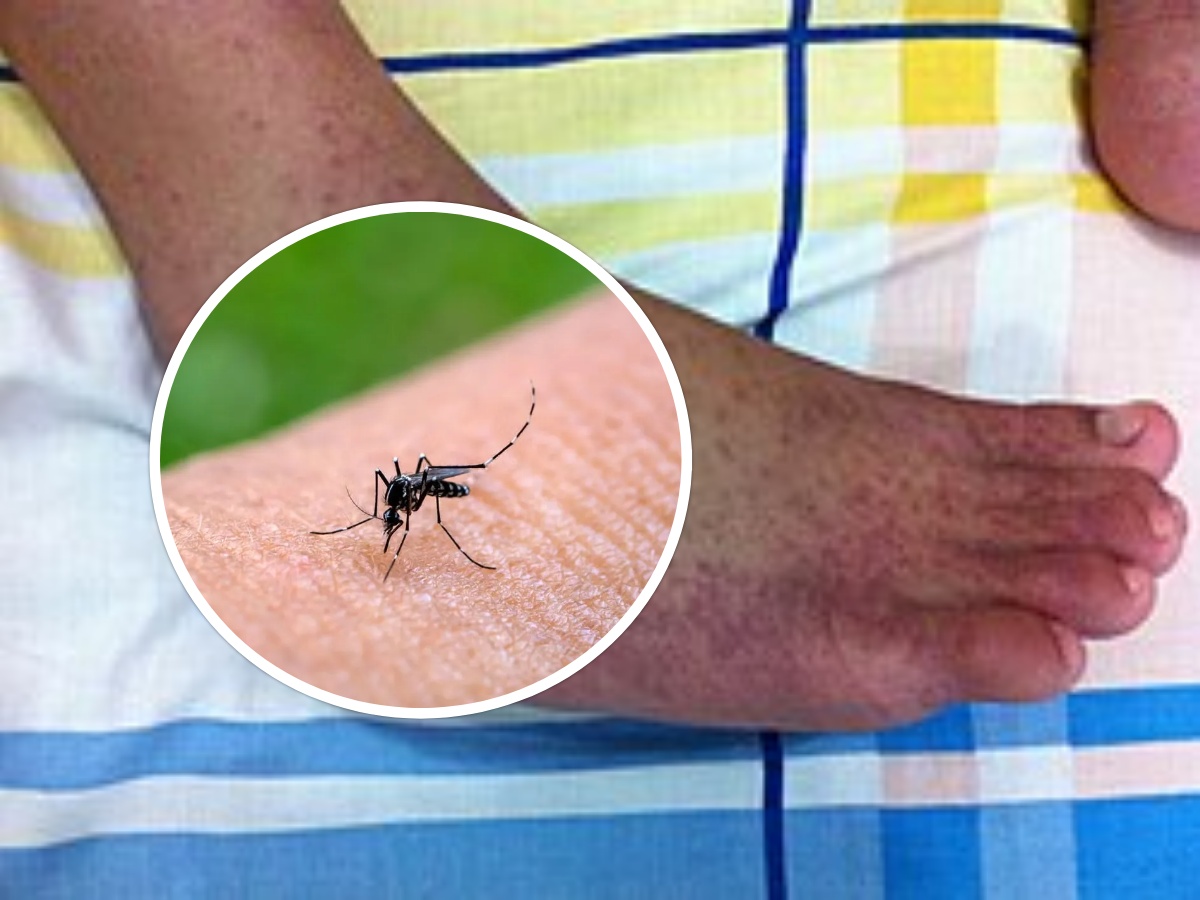
The Pan American Health Organization (PAHO) has issued an epidemiological alert as several countries in the Americas, including Guyana, report a concerning increase in chikungunya cases. This warning comes amid a sustained surge in cases since late 2025, marked by the re-emergence of local transmission in regions that had previously been free of the virus for years.
In an alert disseminated from Washington, D.C. on Wednesday, PAHO highlighted a resurgence of chikungunya transmission in Guyana, French Guiana, and Suriname, with detections in 2025 and early 2026 indicating active transmission after nearly a decade without reported cases.
“Chikungunya spread across the Americas in 2013, and after years of low transmission, we are now observing a resurgence, particularly in the Intertropical Zone where the Aedes aegypti mosquito thrives,” stated Sylvain Aldighieri, Director of Communicable Diseases Prevention, Control, and Elimination at PAHO.
The organization has noted that environmental factors, including rising temperatures, are creating optimal breeding conditions for mosquitoes, thereby increasing the risk of outbreaks. In light of this situation, PAHO called on governments to enhance surveillance and preparedness measures to manage potential outbreaks effectively.
To mitigate the impact, PAHO recommends that countries bolster epidemiological and laboratory surveillance for timely detection of cases. Health systems are urged to ensure proper clinical management, especially for vulnerable populations, including pregnant women, infants, elderly individuals, and those with underlying health issues.
The alert also underscored the importance of integrated vector management, which involves eliminating mosquito breeding sites. PAHO is advocating for public health initiatives, including information campaigns, to educate communities on prevention strategies.
Symptoms of chikungunya include high fever, severe joint pain, muscle pain, headache, fatigue, nausea, and rash, with about 60% of cases potentially leading to chronic joint pain lasting weeks to months. While no specific antiviral treatment exists, care is primarily supportive, involving analgesics and antipyretics.
Globally, between January 1 and December 10, 2025, there were 502,264 reported chikungunya cases across 41 countries and territories, resulting in 208,335 confirmed cases and 186 deaths. In the Americas alone, 313,132 cases were reported, including 113,926 confirmed cases and 170 deaths.
PAHO is advising the public to employ mosquito repellents, use bed nets, and wear protective clothing to reduce exposure to mosquitoes, particularly during dawn and dusk. Communities are also encouraged to eliminate potential breeding sites by discarding or covering containers that collect water.
As the situation evolves, PAHO commits to ongoing monitoring and will continue providing technical support to strengthen surveillance, patient care, and vector control efforts across affected nations.