Traffic offenders in Guyana may soon experience a streamlined digital process for prosecution as President Dr. Irfaan Ali unveiled ambitious plans to modernize how traffic violations are handled, from the roadside to the courtroom.
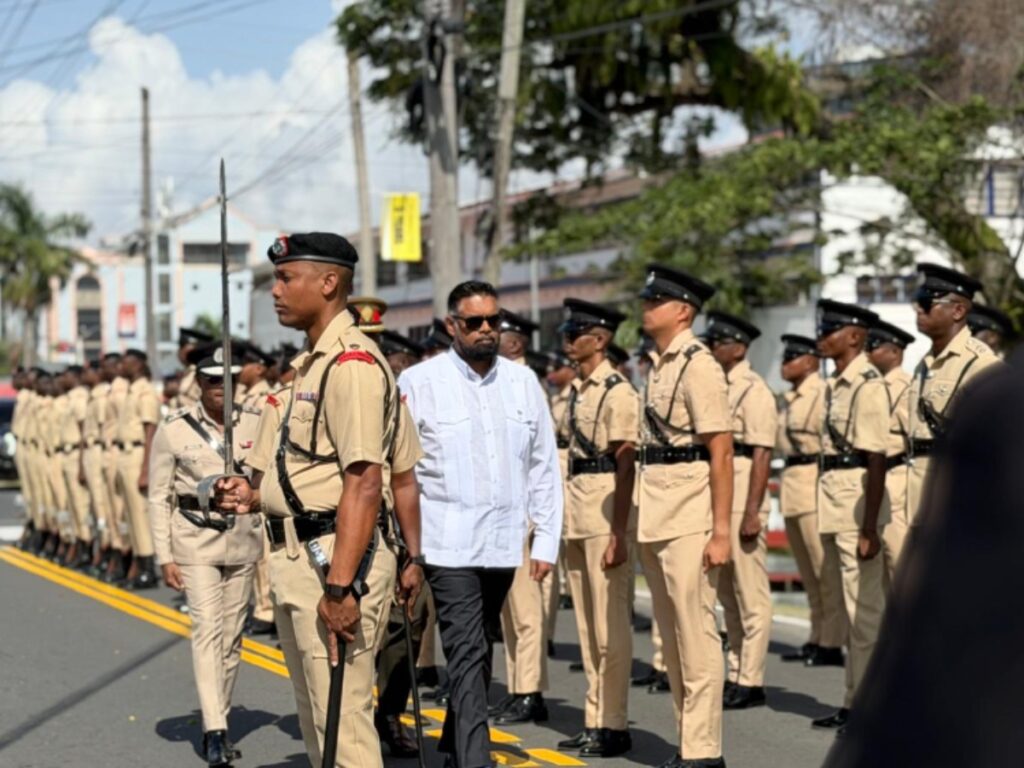
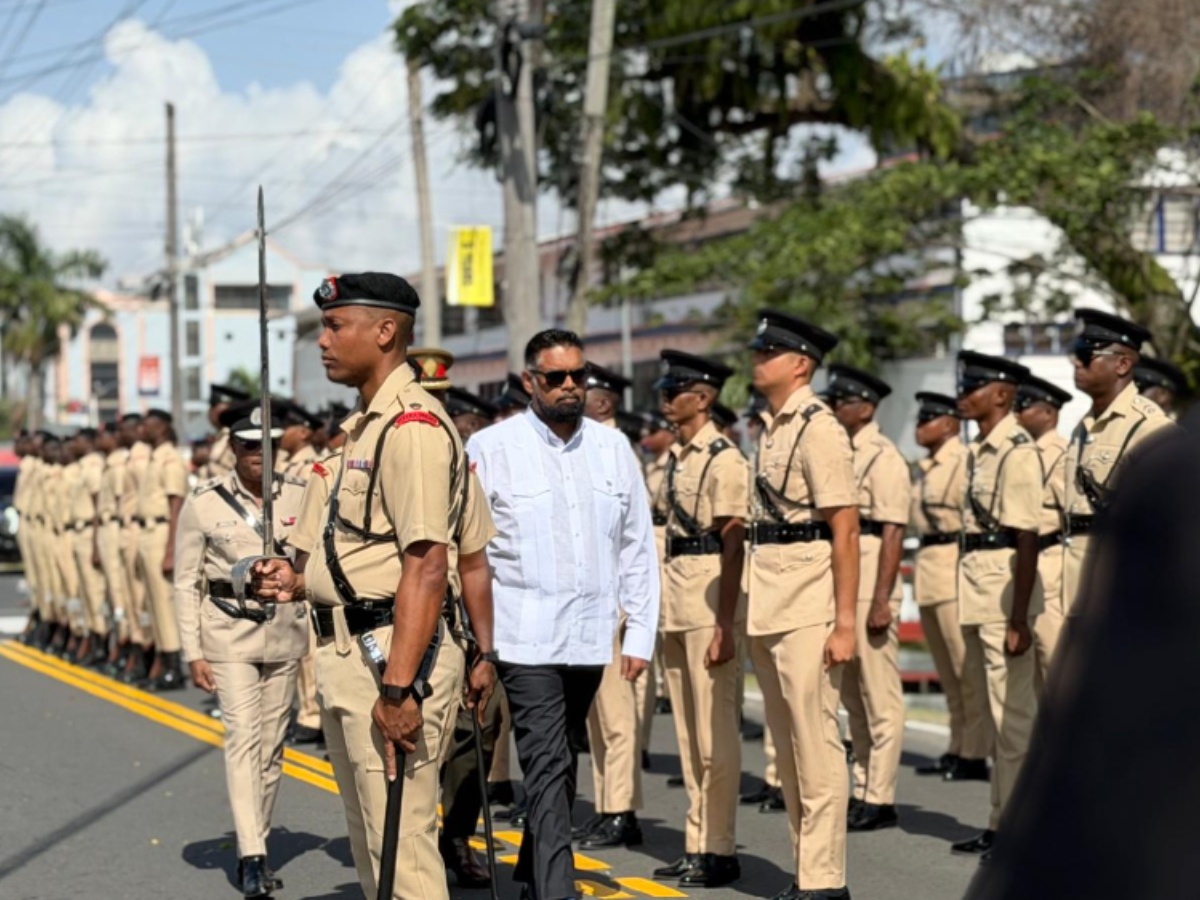
Speaking to police ranks on Wednesday, President Ali noted the necessity for Guyana to adapt quickly to advancements in technology, particularly in the realm of Artificial Intelligence. At the heart of this modernization effort is the newly implemented e-ticketing system, which the President described as having a transformative impact on law enforcement on the roads.
“We have started the e-ticketing system that has been working tremendously well,” President Ali stated, highlighting that it has brought “sanity on our roadways” by reducing bias and minimizing human interference in traffic enforcement.
However, the success of this digital system has led to a new challenge: an increased volume of processed offences. As technology allows for rapid detection and processing of violations, President Ali warned that the traditional court system may struggle to keep pace. To address potential backlogs, he proposed the establishment of a specialized traffic court.
“Because of the mere speed of this technology and the number of transactions, the judiciary may very well have to look at a specialised court to deal with traffic offences,” he explained. He emphasized that if offenders believe they can delay their cases, it might weaken the effectiveness of the enforcement efforts.
To facilitate this transition, President Ali has directed Minister of Home Affairs, Oneidge Walrond, to pursue legislative reforms that will digitize the entire traffic violation process. This shift would connect e-ticketing directly to e-prosecution, enabling warrants and court documents to be managed through an electronic platform.
“It is the only way we can achieve and celebrate the fullness of technology,” President Ali asserted.
Additionally, the reforms will feature a much-anticipated points-based demerit system, integrated into the e-ticketing framework. Upcoming amendments will clarify how the system operates, the consequences of unpaid tickets for drivers, and the various tiers of license suspension.
“We don’t have to wait. We have to do this; our lives matter,” he concluded, underscoring the urgency of these changes.