






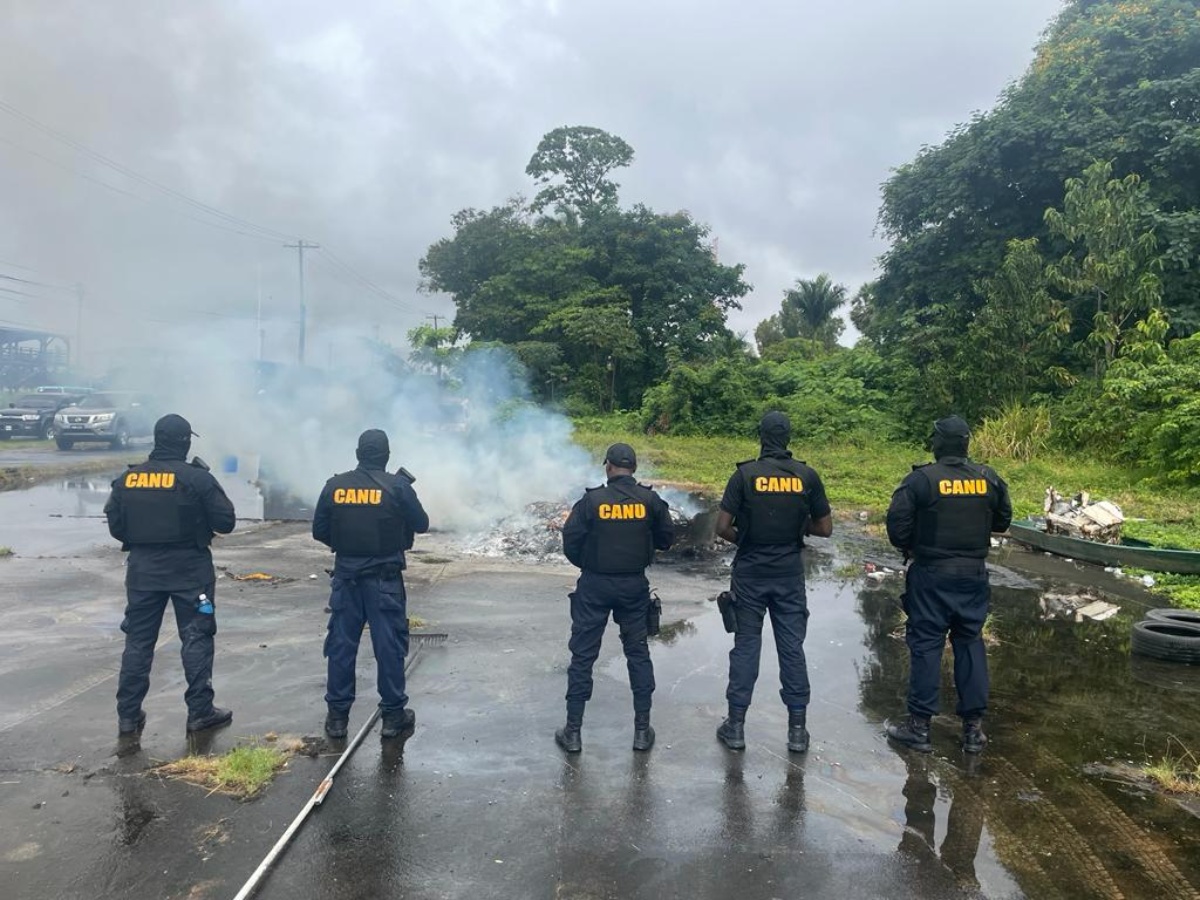
The Customs Anti-Narcotic Unit (CANU) has intensified enforcement operations across Guyana in 2025, but official figures reveal a significant gap between arrests made, charges filed, and resulting convictions.
Throughout the year, CANU recorded 117 arrests related to narcotics offenses. From this number, only 62 individuals were formally charged—indicating that just over half of those detained faced court allegations. The Unit attributed this disparity to ongoing investigations, evidentiary challenges, intelligence-led operations, and cases where suspects were released after inquiries failed to meet prosecutorial standards.
By the end of 2025, the judicial system had secured 29 convictions, resulting in a conviction rate of nearly 47% among those charged and approximately 25% of all arrests made during the year.
A breakdown of the convictions shows that cocaine-related offenses accounted for the majority, with 14 convictions secured. Cannabis offenses followed closely with 12 convictions, while three convictions were related to synthetic drugs, including ecstasy and cannabis products. Sentences varied from fines to custodial terms of up to four years, based on the quantity of drugs involved and evidence of trafficking intent. The total fines imposed by the courts reached up to GYD $311 million.
CANU’s data also revealed clear demographic trends, indicating that approximately 82% of those arrested were male, consistent with global patterns in drug-related crime. Arrests peaked during April, May, July, and September, periods identified by authorities as coinciding with enhanced operational activities and targeted intelligence interventions.
Despite the lower conversion of arrests into charges and convictions, CANU maintains that intelligence-led policing is essential for dismantling organized trafficking networks rather than merely increasing arrest figures. Officials pointed out that some operations are primarily aimed at gathering intelligence, disrupting supply chains, and identifying higher-level actors—outcomes that do not always result in immediate charges.
Furthermore, CANU has highlighted strengthened inter-agency collaboration with prosecutors, forensic analysts, and international partners as vital for improving case quality and conviction rates. Enhanced forensic support, better handling of digital evidence, and early input from prosecutors are expected to help narrow the gap between arrests and successful prosecutions in the future.