
Guyana’s expanding digital platforms are playing a critical role in improving access to government services, strengthening accountability, and deepening democratic participation, according to Minister of Parliamentary Affairs and Governance Gail Teixeira.
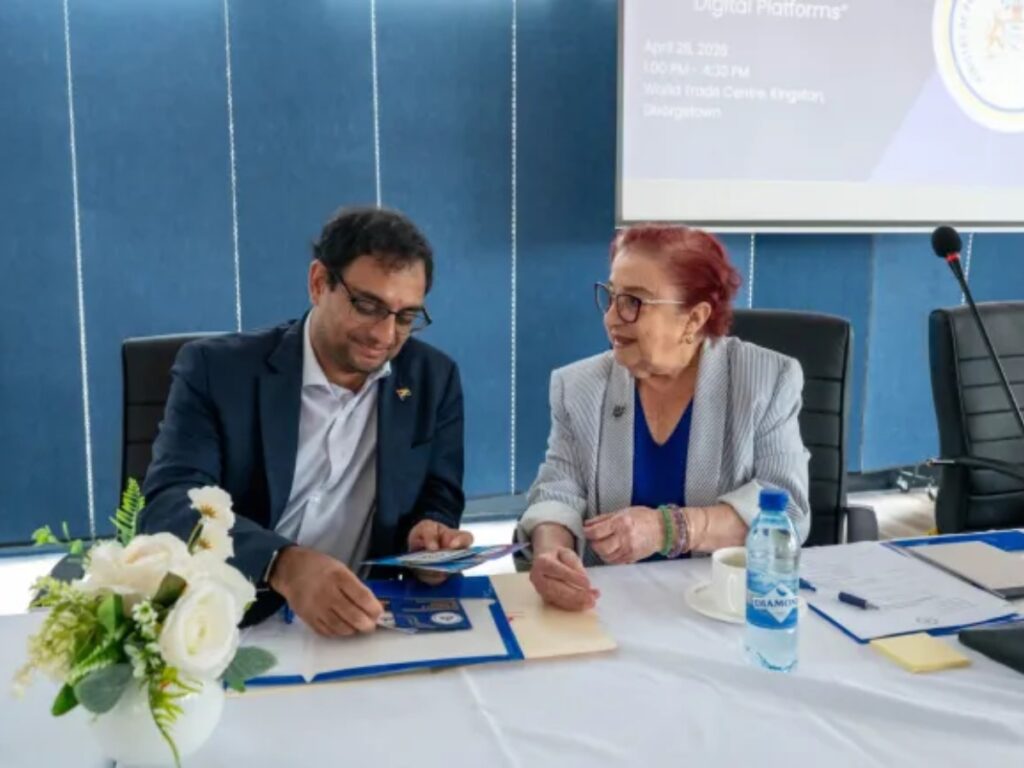
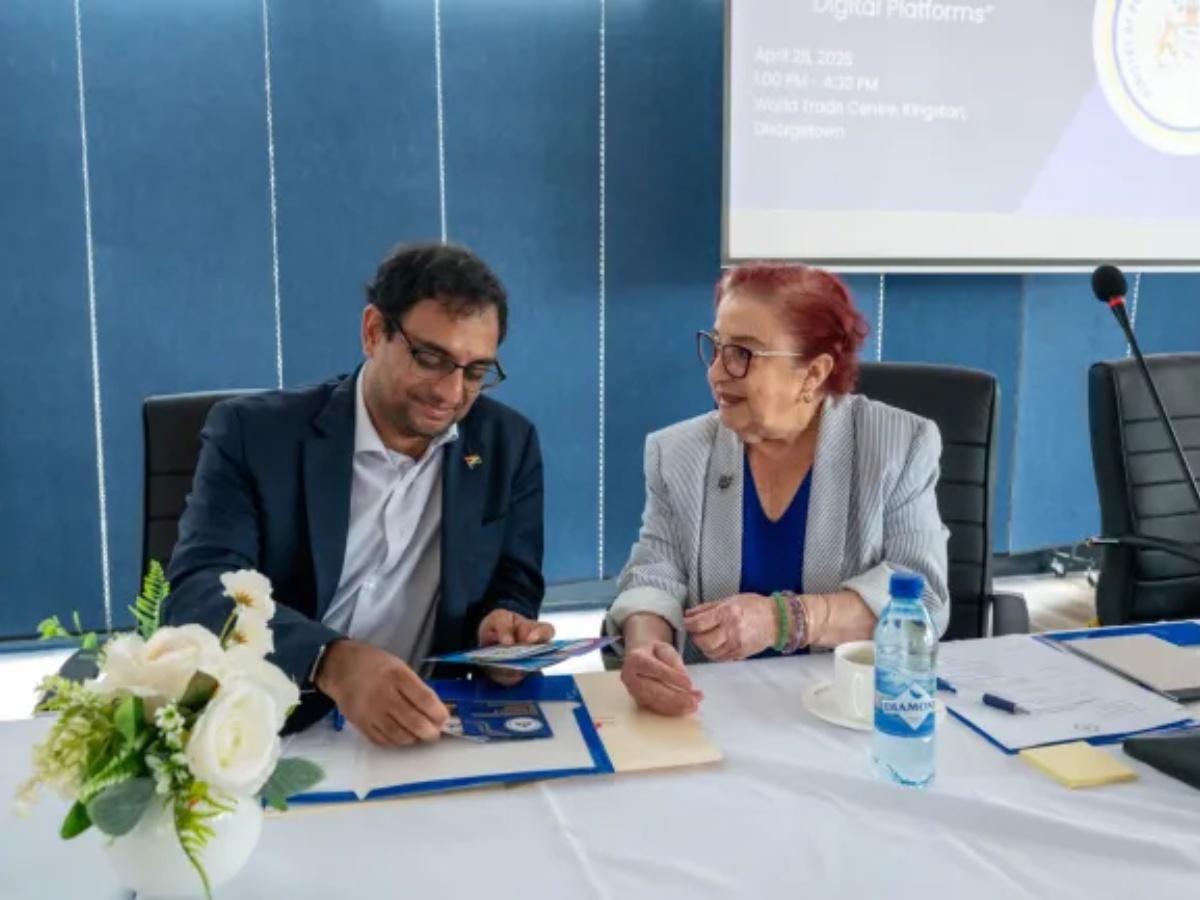
Speaking at the National Stakeholders Forum titled “Strengthening Access and Accountability through Digital Platforms” held Tuesday at the World Trade Centre, Georgetown, Teixeira highlighted how government investments in connectivity and locally designed digital systems are transforming citizen-state interactions.
With more than 900,000 cell phone owners in Guyana and expanded internet access across hinterland, riverain, and rural communities, the country is now better positioned to benefit from digital governance, Teixeira noted.
“It is only within the last five years that we became a connected country,” she said, explaining that reliable Wi-Fi and ICT hubs in Indigenous and remote communities have removed Georgetown-centric barriers to information and services.
This connectivity has laid the foundation for platforms such as Citizen Connect, telehealth services, the housing single-window system, electronic ID initiatives, and online job and skills platforms.
“These platforms are based on the premise that we have connectivity. If you didn’t have connectivity, you wouldn’t be able to have these platforms,” Teixeira stated.
The Minister emphasized that digital systems are directly linked to constitutional rights, particularly Article 13, which promotes citizen participation in decision-making. By allowing citizens to raise complaints, request appointments, apply for services, and engage ministries directly, digital platforms are enhancing inclusion, consultation, and democratic governance.
“The more citizens can participate through the use of digital platforms, that is, in fact, enhancing our democracy and our human rights platforms,” she said.
Teixeira highlighted significant anti-corruption benefits of digital services. The housing ministry’s single-window platform has substantially reduced the need for citizens to navigate multiple agencies—a process that previously required applicants to engage up to 13 different agencies, creating opportunities for delays and bribery.
“With that system being introduced, it has removed opportunities for persons to request bribes or to pay bribes,” Teixeira explained.
Digital platforms also help the government respond more effectively by providing real-time data on complaints and community issues, allowing for better decision-making and more targeted use of resources.
While the president and ministers’ community outreaches will continue, digital platforms provide an additional layer of access, ensuring citizens can engage with government more efficiently, regardless of their location, Teixeira said.