






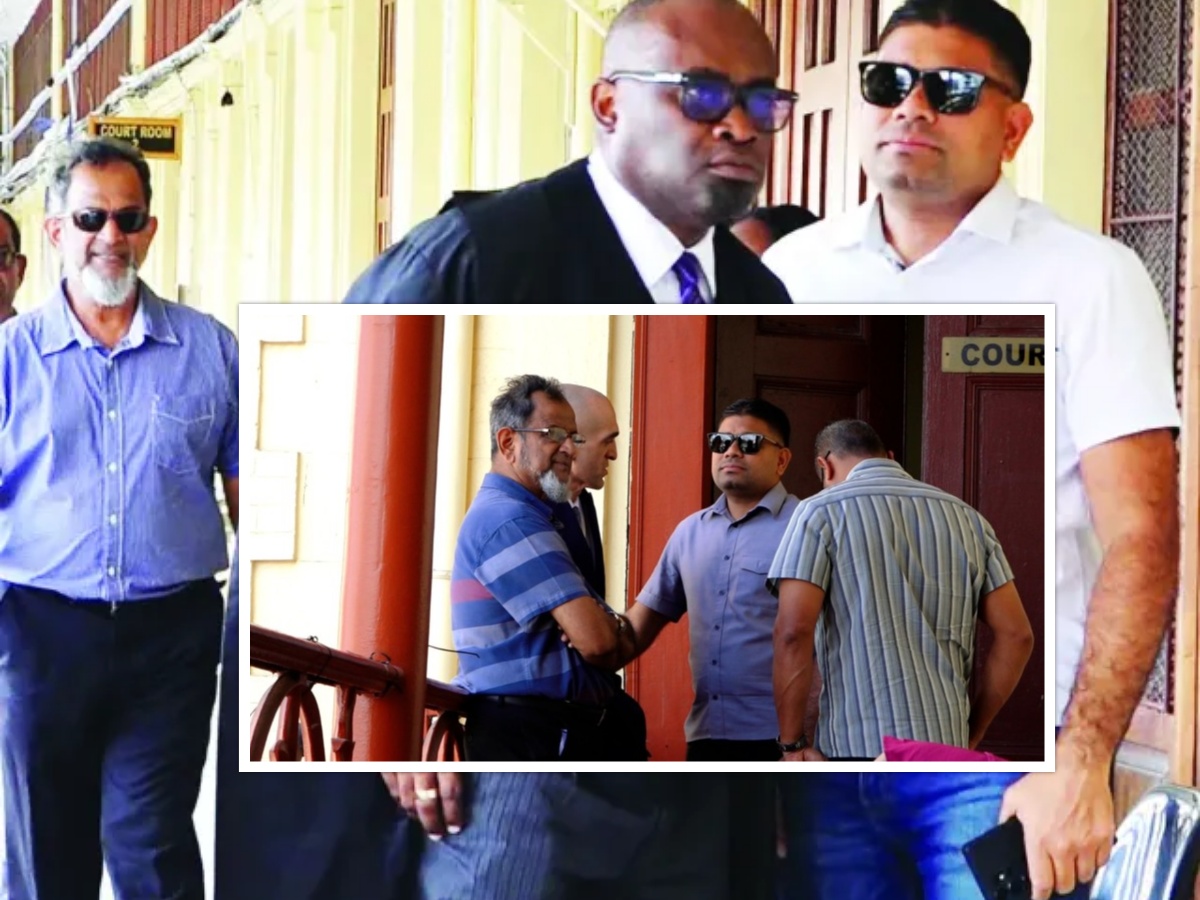
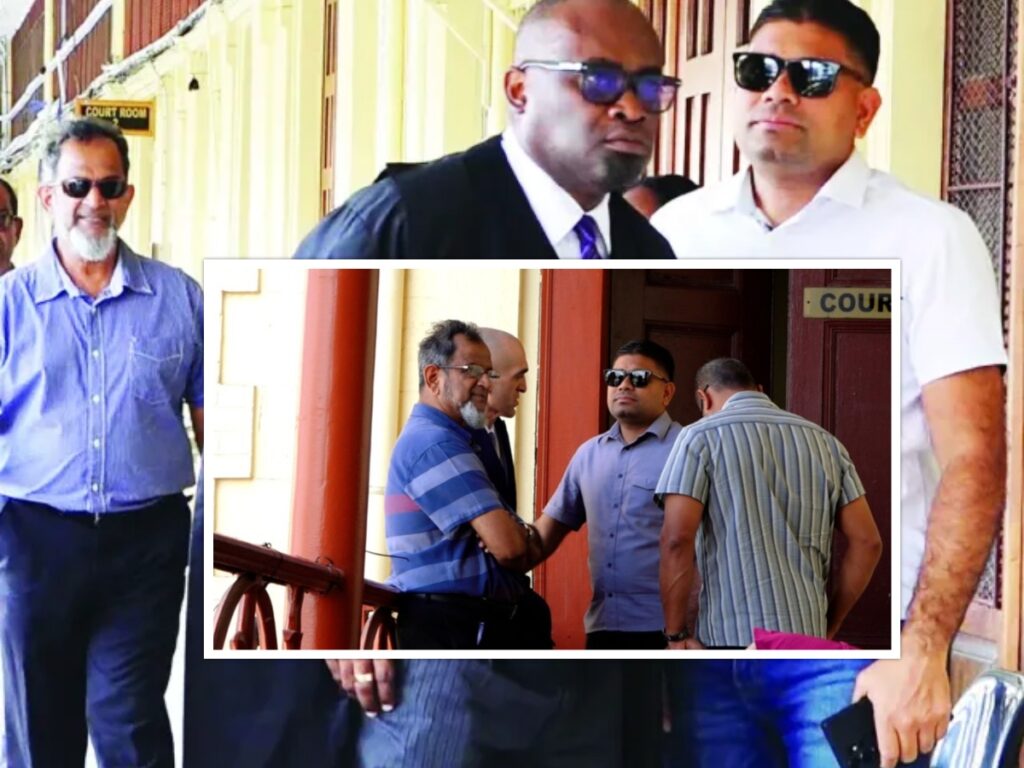
The extradition proceedings involving businessmen Azruddin Mohamed and his father, Nazar Mohamed, were adjourned on Thursday to February 5 and 6, following a ruling that no further disclosures would be permitted in the case. Magistrate Judy Latchman, presiding over the committal hearing, emphasized that the case is “not a game of chess” as she ordered the closure of all disclosures.
The ruling came after the prosecution attempted to introduce a statement from Minister of Foreign Affairs Hugh Todd, which had been emailed to defense attorneys just a day prior. Under Section 6 of Guyana’s Fugitive Offenders Act, a certificate from the Minister for Foreign Affairs can serve as evidence confirming existing extradition arrangements with the UK or other treaty territories, thereby playing a crucial role in extradition cases.
Nazar Mohamed is represented by attorneys Siand Dhurjon and Juman-Yassin Da Silva, while Azruddin Mohamed is represented by Attorney Roysdale Forde, SC.
During Thursday’s hearing, defense attorney Forde reiterated previous objections, arguing that the prosecution had not satisfied the requirement to provide corresponding local charges to substantiate the extradition request. He insisted that the prosecution’s presentation merely listed alleged acts and statutory sections, failing to meet the necessary legal threshold.
The controversy intensified over the one-page statement from Minister Todd, which the defense described as a new and impermissible disclosure introduced after proceedings had commenced. Dhurjon argued that the statement seemed to attempt to “patch and close a gap” in the prosecution’s evidence, especially since foundational evidence required for the minister’s certificate had not been properly established previously.
He further pointed out that this was the third time additional documents had been disclosed without court approval, labeling the action an ambush that would necessitate the defense to reorganize its case. Urging the magistrate to formally close disclosure at this stage, he sought a firm undertaking from the requesting state regarding the full extent of the material relied upon for extradition.
In response, the prosecution, represented by attorney Terrence Williams, KC, maintained that the disclosure was made “out of an abundance of caution” after receiving new material. He argued that there was no legal obligation for the prosecution to seek permission before disclosing additional material, as the law permits a minister’s certificate to be tendered without needing the minister as a witness.
Magistrate Latchman ultimately ruled that the minister’s statement would be allowed to be filed and served to the defense, but made it clear that this would constitute the final disclosure in the case. “This is not a case of chess,” she reiterated, instructing that all statements must be correctly filed and served, with no further disclosures to be entertained.
The defense was granted an adjournment to consider the newly introduced material, while Williams characterized the issue as a “big song and dance over a very trivial formal issue,” asserting that the statement simply fulfilled a statutory requirement. However, Dhurjon countered that this latest disclosure revealed significant gaps in the prosecution’s case that had come to light only after cross-examinations began.