







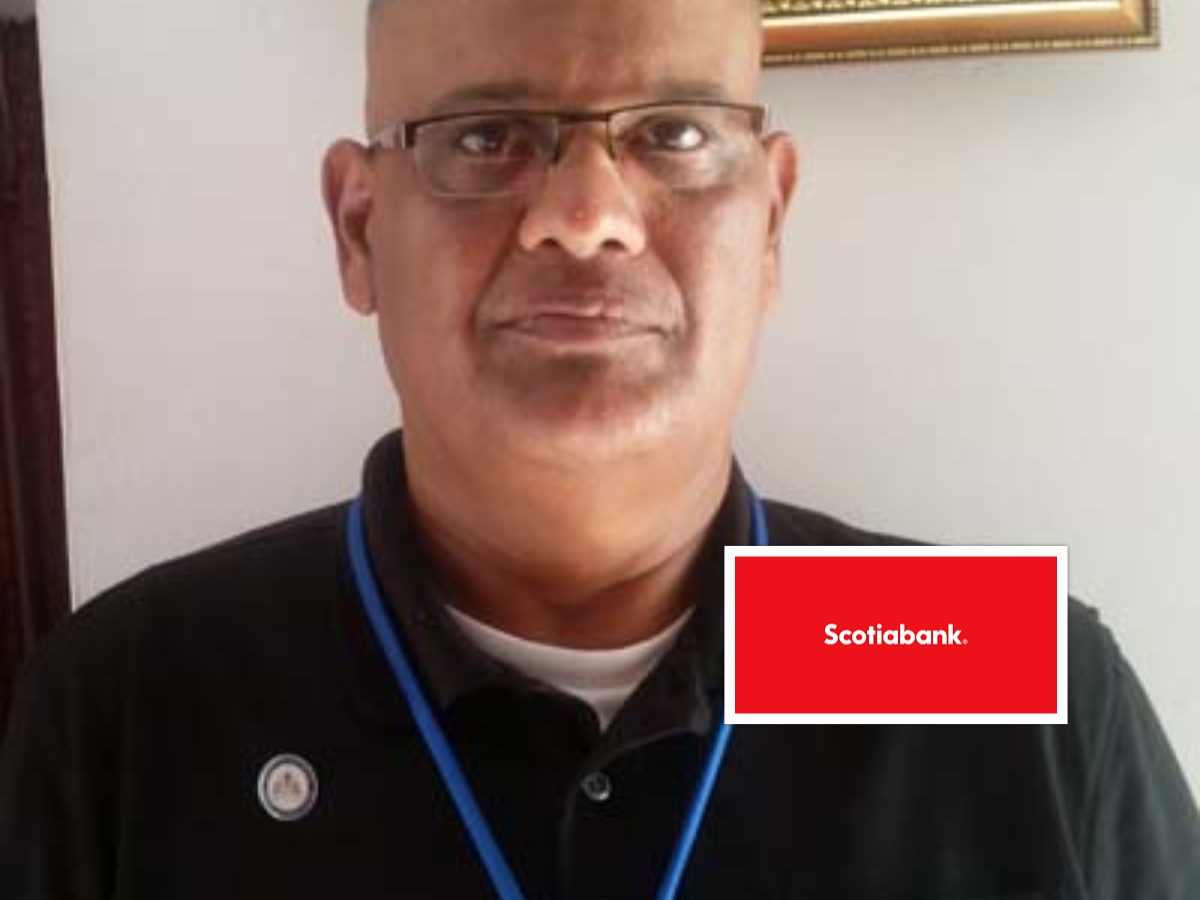
High Court Judge Nicole Pierre has dismissed the account-closure case filed by Gobin Harbhajan, a member of the We Invest in Nationhood (WIN) party, against Scotiabank. The judge ruled that the termination of the account was a private matter not subject to public law review.
Harbhajan, who is currently a Parliamentarian representing WIN—led by US-indicted businessman Azruddin Mohamed—argued that his account was wrongfully closed despite being in good standing, claiming the action was motivated by his political affiliation. He also alleged discrimination due to his political alignment.
The court, however, did not support these claims. The ruling pointed out that the Personal Financial Services Agreement (PFSA) governing the relationship between Harbhajan and Scotiabank allows for the closure of accounts with a 30-day notice, without the need for the bank to provide a reason.
“The PFSA permits termination without cause on notice. It is an unqualified contractual right,” the judge noted. Consequently, the “Braganza rationality” principle, which requires discretion in decision-making to be exercised in good faith and rationally, was deemed irrelevant in this case.
Regarding Harbhajan’s discrimination claims based on his political affiliation, Judge Pierre acknowledged Scotiabank’s denial of such assertions. Harbhajan’s claims that the accounts of all WIN members had been similarly closed were found to be uncorroborated, with the judge stating that mere assertions are insufficient to support discrimination claims.
The case also touched upon the impact of sanctions against WIN’s leader. Harbhajan sought a declaration affirming that the party is distinct from its members and that no sanctions have been applied to the party or its candidates. However, the judge noted that the sanction status had not been established.
In her ruling, Judge Pierre emphasized that the contractual nature of the customer-banker relationship, along with the termination provisions within the signed agreement, insulated Scotiabank from common law liability. Thus, the case was ultimately dismissed.
While the ruling did not find any grounds for liability, Judge Pierre suggested that it might be worthwhile for lawmakers to consider appointing an independent individual to investigate such matters in the future.