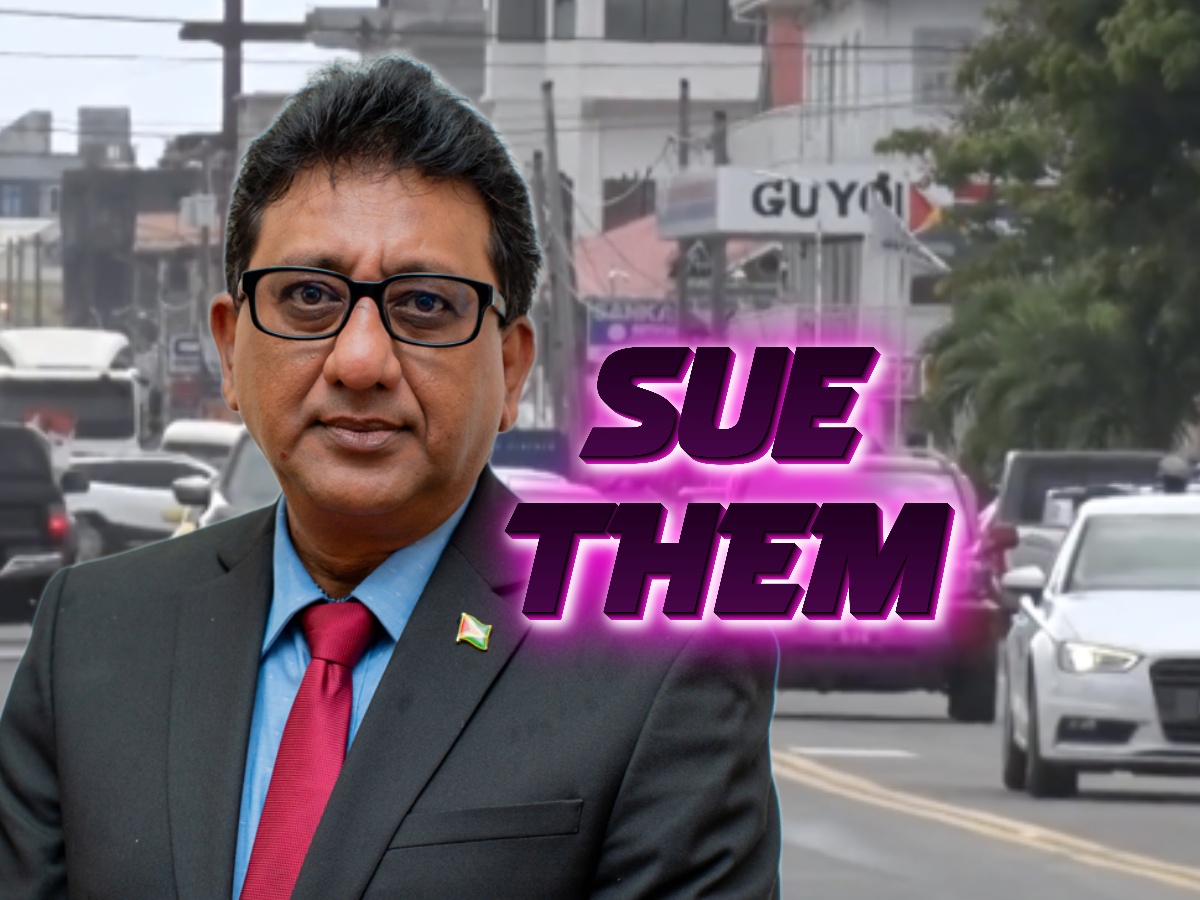
Attorney General Anil Nandlall is encouraging motorists to file lawsuits against Traffic Ranks who solicit bribe payments to avoid being locked up for ticketed offenses, asserting that citizens have legal recourse against corrupt officers.
Speaking on his “Issues in the News” programme, Nandlall acknowledged that despite measures being implemented, some Traffic officers continue soliciting bribes from motorists under the pretext that they will spare them jail time for certain traffic offences—many of which do not carry any threat of incarceration.
“That is why we are making these offences ticketed offences—so retain a lawyer and you will sue him and you will have to sue the Attorney General too so I will get involve, you don’t have to pay bribe,” Nandlall said.
The Government has been working on revising traffic laws and has converted several traffic offences into ticketed offences, reducing police discretion to detain motorists. Nandlall stressed that while motorists have a duty to comply with traffic laws, those laws clearly spell out the penalties attached.
“There are very few traffic offences for which a police officer can detain you, very few, so why are you paying bribe,” the Attorney General questioned.
Nandlall emphasized that corruption cannot occur without participation from both parties—the briber and the bribee. He called on citizens to take action if solicited for bribes.
“Corruption has two players, the briber and the bribee, corruption can’t take place unless the two actors act, if a bribe is ask of you, you have a cell phone, take their photograph and make it public, you cannot be locked up for a traffic offence,” Nandlall stated.
The Attorney General noted that the authorities have received numerous complaints about bribery by Traffic officers and acknowledged that the issue must be addressed more seriously.
While encouraging motorists to resist corrupt solicitations, Nandlall also urged continued compliance with traffic laws by all road users. The dual approach aims to both combat police corruption and ensure safer roadways across the country.