
News Room Reports : Despite being one of the world’s fastest-growing oil producers, Guyana this week experienced a temporary fuel shortage that left many citizens questioning how such disruptions can occur in an oil-rich nation.
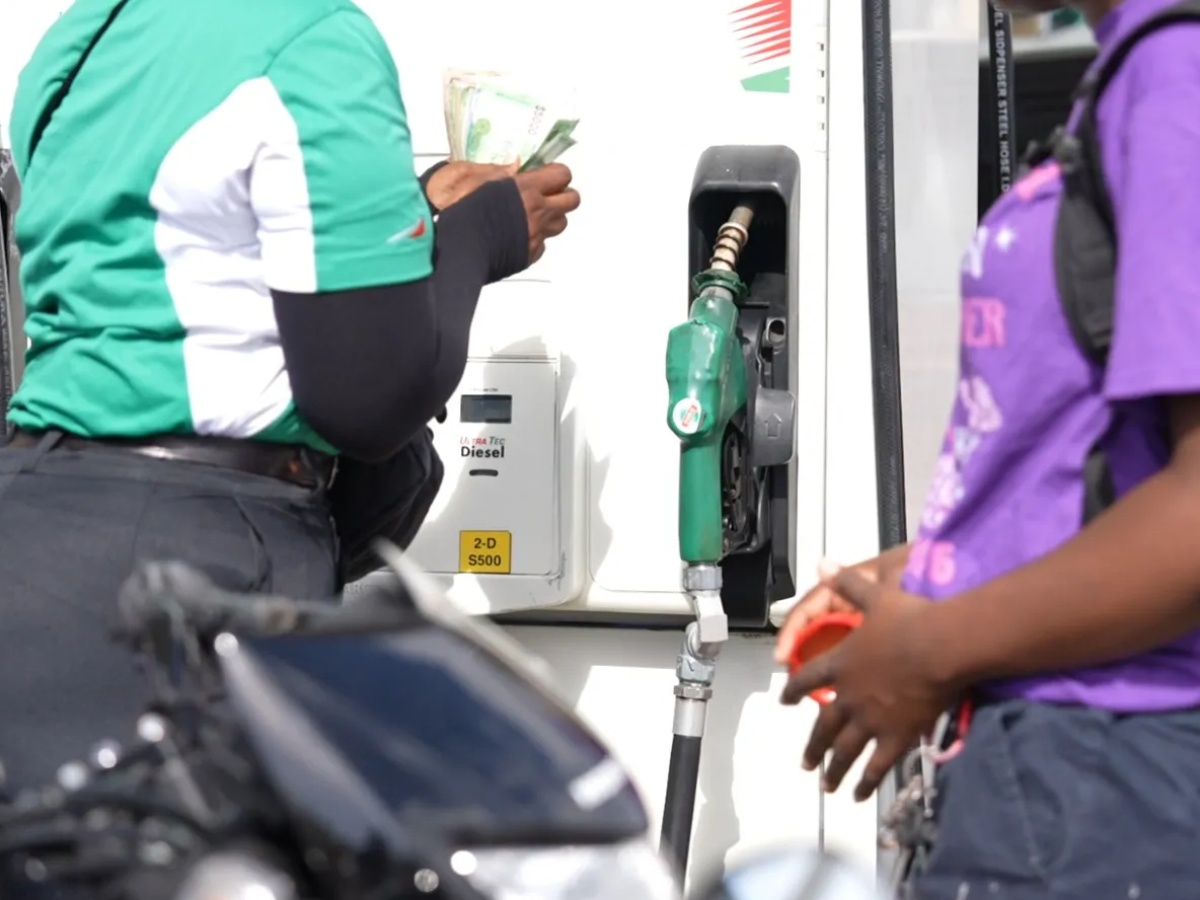
Chaotic scenes were reported at several gas stations on Monday as long lines formed following supply issues traced to shipping and logistics delays affecting a major fuel supplier. By Tuesday, the situation had largely stabilised, with supplies returning to normal levels and no significant queues observed at service stations.
President Dr. Irfaan Ali assured the nation that shipments began arriving Monday night, with additional fuel expected throughout the week. Government officials urged citizens against panic buying, emphasising that the disruption was a short-term logistical setback rather than a supply crisis. Guyoil also sought to calm public concerns, confirming that its service stations remained open and operational and urging citizens to avoid spreading misinformation.
The incident has once again highlighted a key reality — although Guyana produces roughly one million barrels of oil per day, primarily from offshore operations in the Stabroek Block, that production is in the form of crude oil, which cannot be used directly in vehicles or for everyday consumption. Crude must first be processed at a refinery into usable products such as gasoline, diesel, and kerosene. Since Guyana has no such facility, it imports all of its refined fuels, leaving the country vulnerable to shipping delays, supply chain disruptions, and global market fluctuations.
Efforts to close this gap have been under discussion for years. President Ali recently indicated that Guyana is in talks with Trinidad and Tobago to potentially refine its crude there, utilising that country’s existing but underutilised refining infrastructure — a move that would shift Guyana away from its current export-only model toward a more integrated regional energy system.
Meanwhile, Guyana is advancing its Gas-to-Energy Project, which will bring natural gas from offshore fields to shore for electricity generation and industrial development. While not designed to produce transportation fuels, the project is expected to reduce electricity costs and lessen dependence on imported fuels for power generation.
Until such infrastructure is fully operational, Guyana will remain dependent on imported refined products — even as its oil production continues to surge.