
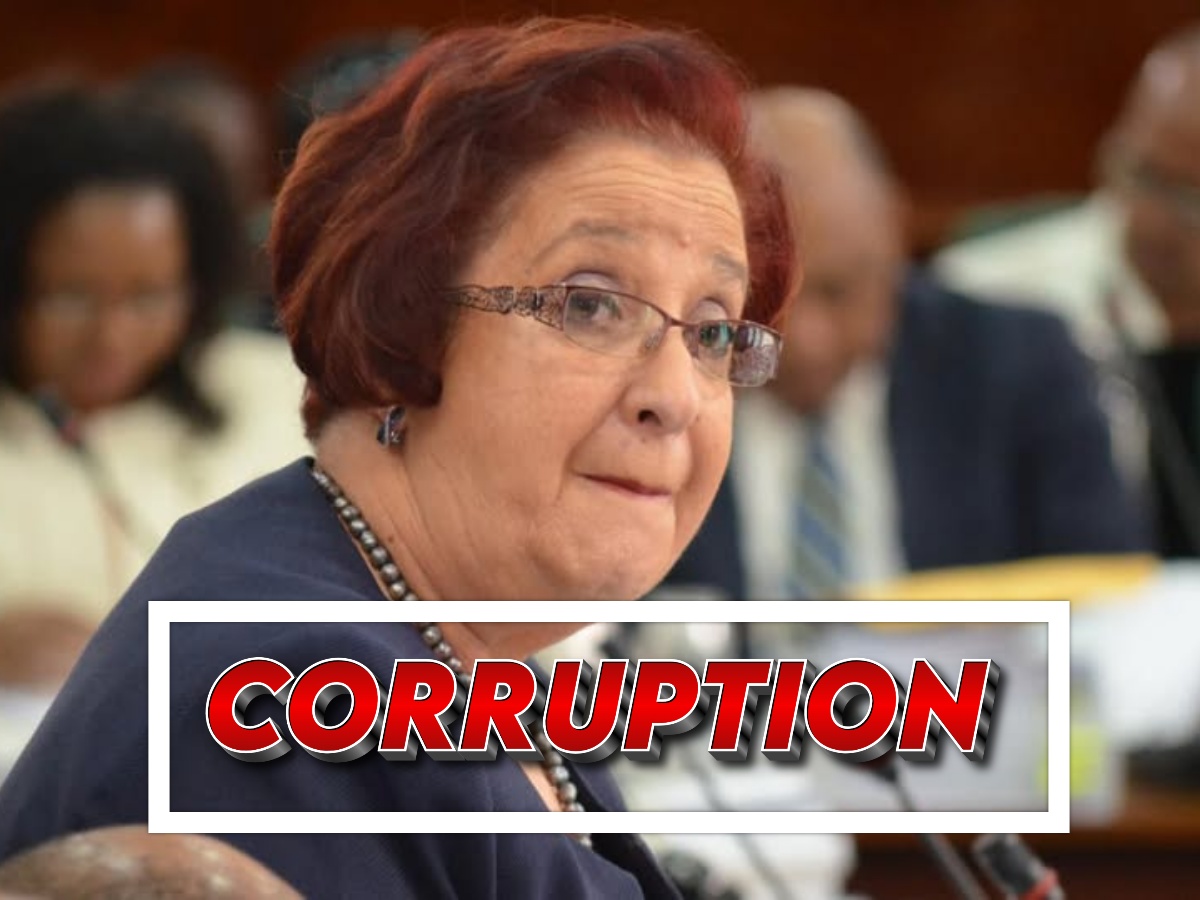
Minister of Parliamentary Affairs and Governance, Gail Teixeira, informed the National Assembly today that the government is making steady progress in its efforts to combat corruption, asserting that the country’s various anti-corruption agencies are performing their mandated duties effectively.
In response to questions posed by Opposition Member of Parliament Tabitha Sarabo-Halley, Minister Teixeira stated that Guyana has ratified multiple international anti-corruption programs, which have been instrumental in yielding measurable results.
Minister Teixeira described the government’s approach as incremental, utilizing the Guyanese expression “one, one dutty build dam” to characterize the process of strengthening the nation’s anti-corruption framework. She noted that the government has focused on:
Building human resource capacity within each agency.
Developing inter-agency collaboration to bolster investigations and prosecutions.
Aligning practices with standards recognized by the United Nations Convention Against Corruption and the Inter-American Convention Against Corruption.
When asked about the impact of government-led anti-corruption workshops, the Minister noted that while specific data quantifying their effect is not yet available, these initiatives have fostered “strong collaborations” among stakeholders. She further pointed to the Auditor General’s reports as evidence of progress, citing a reduction in repeat issues and improved implementation of audit recommendations.
Looking ahead, the Minister announced that the government plans to amend the Integrity Commission Act to strengthen enforcement capabilities. Furthermore, she did not rule out the eventual establishment of a dedicated, independent anti-corruption agency.
Addressing previous models, the Minister drew a contrast with the defunct State Assets Recovery Agency (SARA). She argued that the government’s current strategy relies on established best practices, contrasting this with the structure of SARA, which she claimed granted its head excessive authority that exceeded that of the Commissioner of Police and the Director of Public Prosecutions.
Minister Teixeira concluded by emphasizing that the fight against corruption is a long-term endeavor that requires a significant “culture shift” within the country.