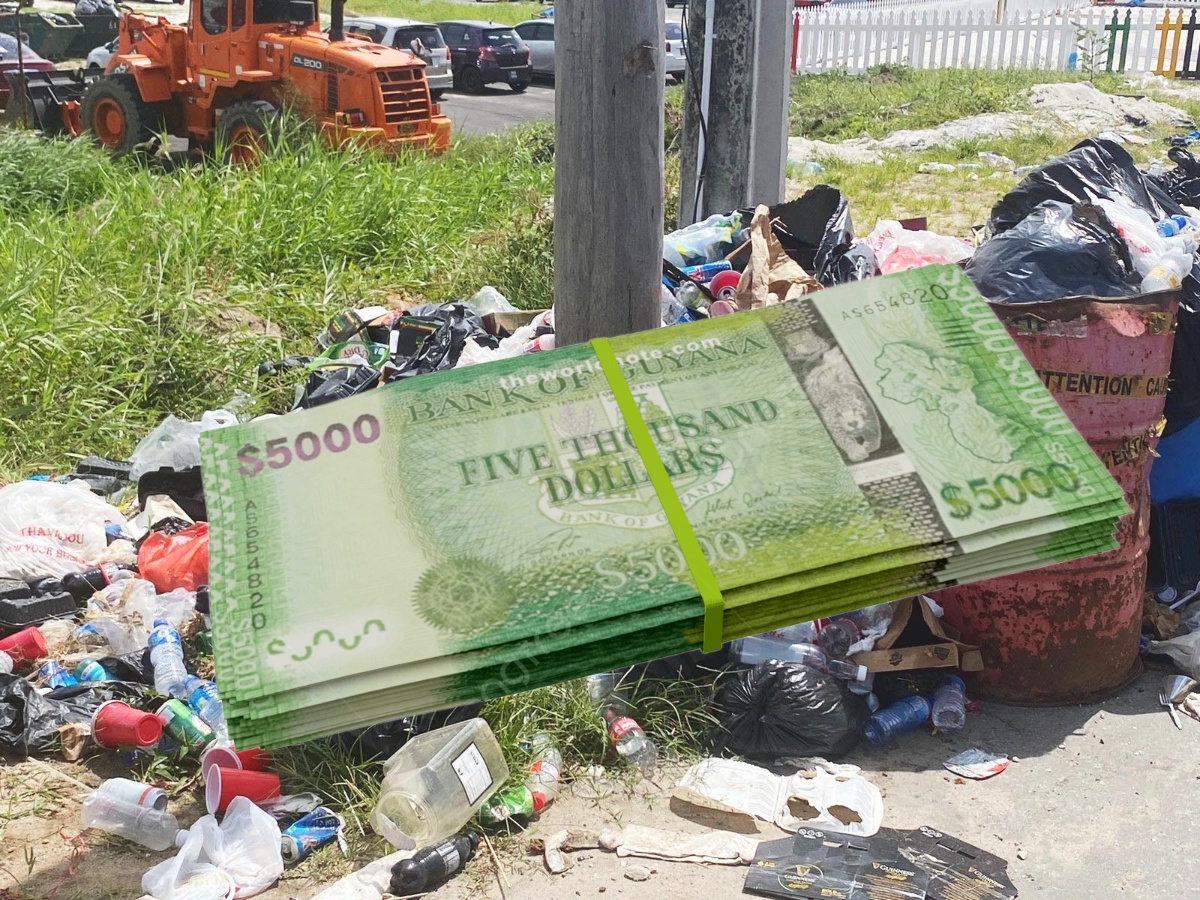
The Guyana Police Force and the Environmental Protection Agency (EPA) have launched a concerted nationwide effort to combat littering, signaling a shift toward stricter enforcement and higher penalties for those who fail to properly dispose of their waste.
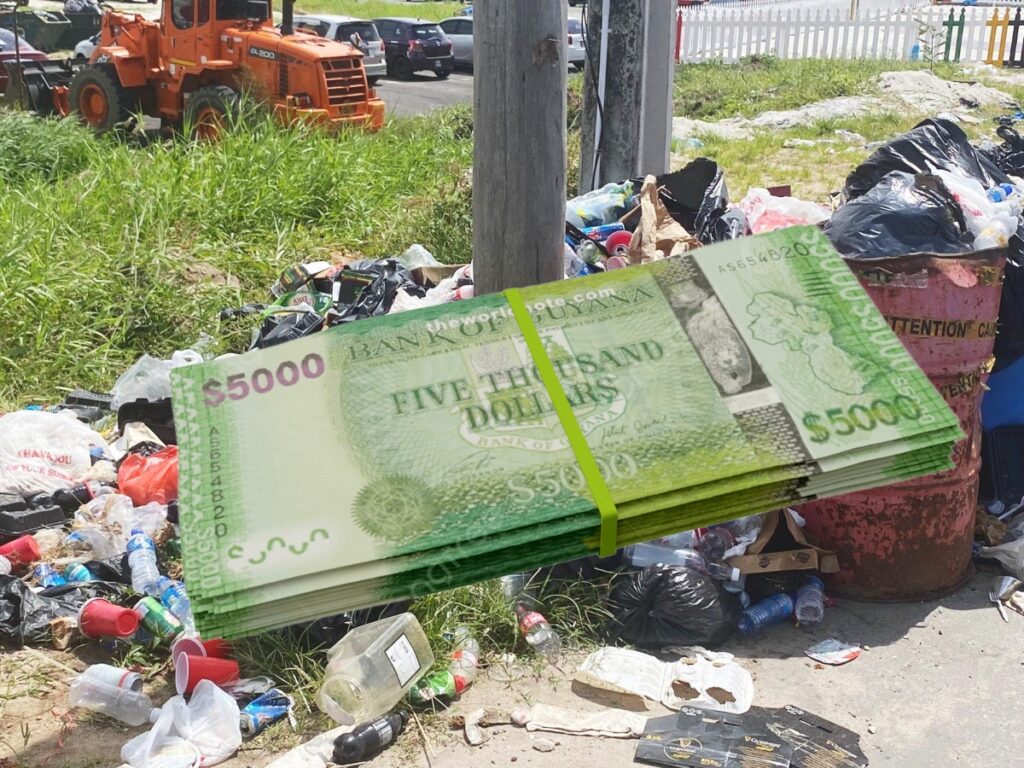
As part of a government-led drive to bolster public health and environmental standards, officials are warning that the days of unchecked illegal dumping are coming to an end. Under existing Anti-Littering Regulations, individuals caught disposing of waste improperly now face fines of up to $50,000, while businesses found in violation could be penalized up to $100,000.
EPA Executive Director Kemraj Parsram emphasized that while the agency prioritizes public education, the time for voluntary compliance is running short.
“We are trying to educate and help people understand that they need to change their behaviour, but there is only so much we can do. After that, it’s enforcement,” Parsram stated in a recent interview.
He clarified that the law is comprehensive, noting that any unauthorized disposal of materials—ranging from sand and water to plastics and paper—constitutes a punishable offence. The EPA is now expanding its reach by training Neighbourhood Democratic Council (NDC) members to serve as honorary litter wardens, aiming to decentralize enforcement and empower local communities to take ownership of their surroundings.
To bridge the gap between reporting and enforcement, the EPA is actively promoting its “Clean 592” web-based application. The tool allows citizens to submit real-time photographic or video evidence of littering, providing the agency with the necessary documentation to launch investigations and prosecute offenders.
The current push is accompanied by government plans to amend existing legislation. These proposed changes are expected to introduce even more severe penalties and create a more aggressive legal framework for dealing with repeat offenders.
In the meantime, authorities are urging the public to adopt more responsible habits, including:
Utilizing designated public waste bins.
Securing waste within vehicles or bags until proper disposal is possible.
Avoiding the dumping of refuse in drains, waterways, or along roadways.
Reducing reliance on single-use items.
The initiative represents a broader effort to foster national pride and maintain the cleanliness of Guyana’s public spaces, with officials promising more consistent identification and prosecution of those who disregard these environmental regulations.