
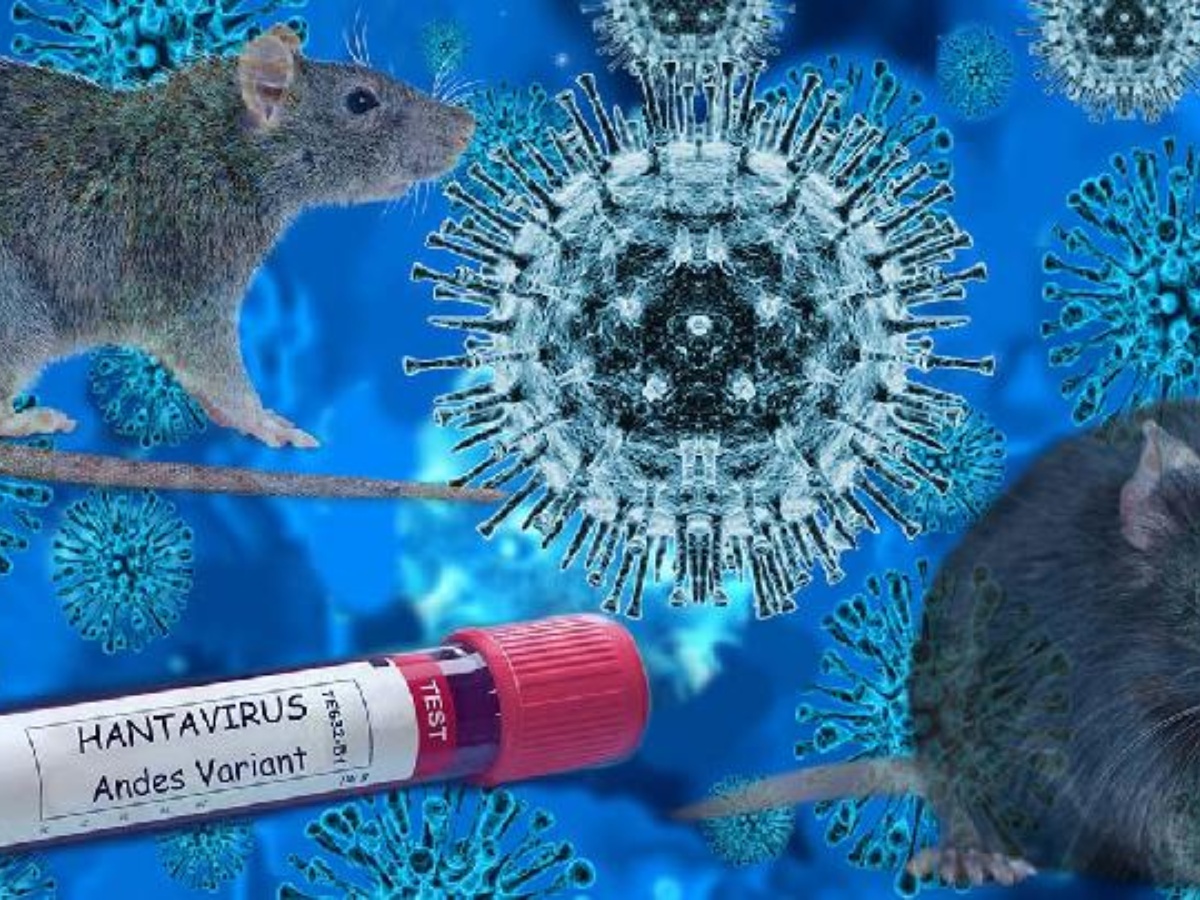
Hantavirus recently struck a European cruise vessel, infecting several individuals with three confirmed deaths. While there have been many concerns about the spread of this rare infection spread by rodents, Caribbean officials say the risk in this region remains low.
Head of the Caribbean Public Health Agency, Dr. Lisa Indar, says the rodent species that carries the Andes strain of the virus—the rare strain that causes human-to-human transmission—is not present in the Caribbean.
“Global health authorities are actively monitoring and containing this situation, and the risk to the general public, including the Caribbean, remains low,” Dr. Indar affirmed.
The World Health Organization and public health experts note that person-to-person transmission of the hantavirus is rare and occurs as a result of close, prolonged contact, such as close proximity within the same household or intimate contact. It does not spread like an airborne virus through casual social contact.
Dr. Indar further urged persons to remain vigilant but affirmed that the hantavirus is not easily spread like the coronavirus, which caused the COVID-19 pandemic. Unlike the coronavirus or even influenza, the CARPHA head said the hantavirus has a specific habitat and spreads differently.
“COVID-19 spread globally because it transmitted easily between people, including those with mild or no symptoms. In contrast, hantavirus is rodent-borne and human-to-human spread is uncommon and requires close intermittent contact.
“This fundamental difference means that hantavirus does not have this same potential to cause a global pandemic,” she emphasised.
The reassurance from Caribbean health authorities comes as global health agencies continue to monitor the situation and work to contain the outbreak in Europe.